T-I-D-E TIRED

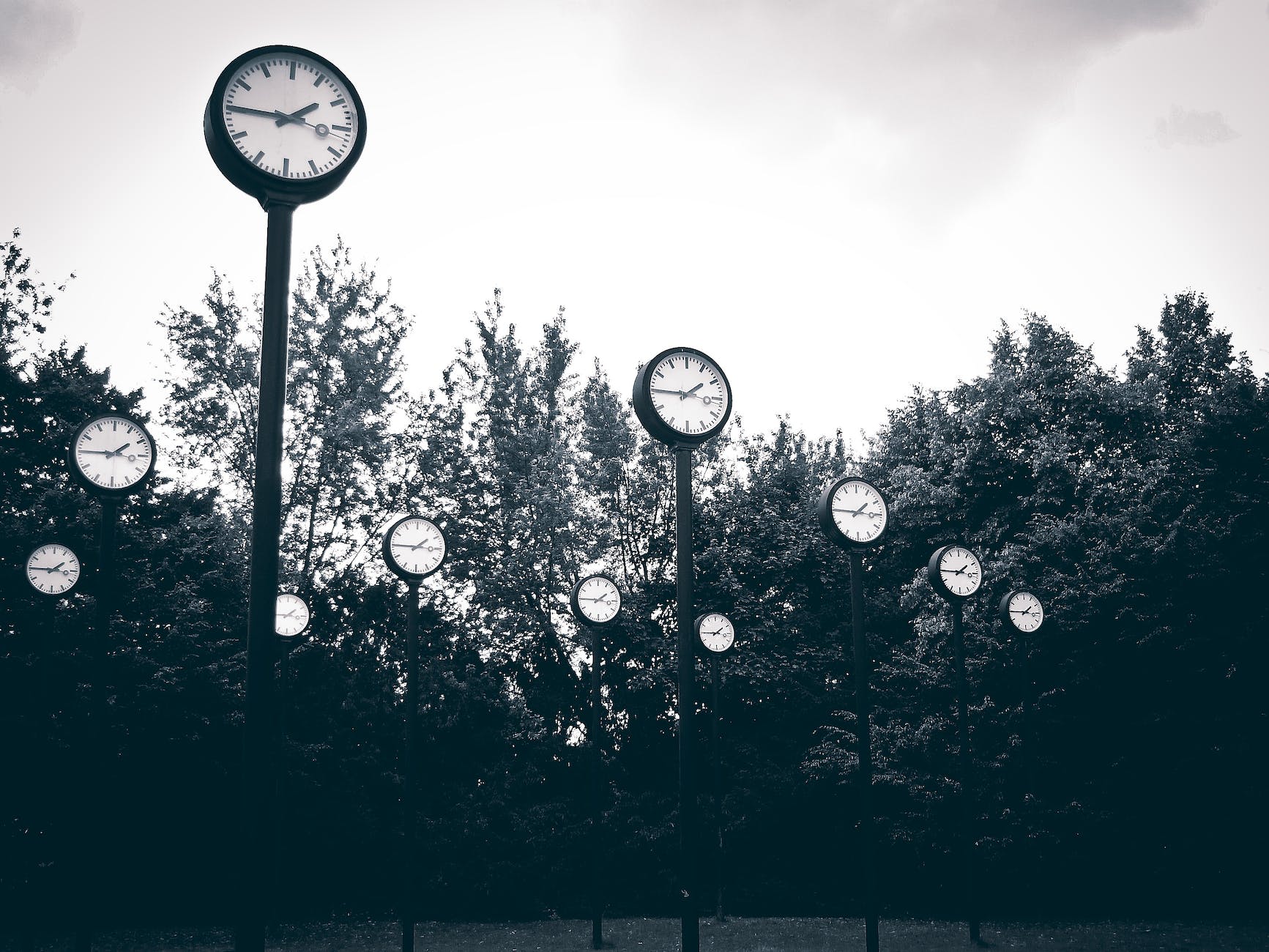
Photo by Inge Wallumru00f8d on Pexels.com

POSITIVITY IS EXHAUSTING. Since having the skin cancer surgery and facial reconstruction three weeks ago, I have worked very hard to stay positive and engaged in my life. For all the reasons I wrote about last week, I am truly grateful and very aware of how temporary and solvable my issue is. After all, I am still mobile (although I can’t exercise which is driving me up the wall!); and I am able to teach (though the bandages seem to take away some sense of authority); and I am able to access good health care within one of the most broken health care systems in the world (albeit through a lot of blood, sweat, and tears). BUT I am still tired, T-I-D-E tired.

The first week after my surprise-surgery (remember, I had no idea the extent of what I was walking into that day), I was in my feelings. “Frustrated, annoyed, anxious, uncomfortable, and a bit shocked,” is how I put it in my journal one day. Like, what just happened – and why!? I spent a lot of time writing down what I was grateful for, too. I was working to stay positive, to rise above my very worldly feelings of self-pity and even anger. I had taken a fall in my very fortunate life and it was really messing me up. The energy it took not to indulge in that messed up space has been no joke.

For me, I know that God gives me way more energy and strength than I could ever muster all by myself. Yet, I still am the machine that has to carry out that energy. It’s bound to make me a little tired. While I am talking a lot about me, I am hoping someone out there who lives in a space of gratitiude and hope releates to all this, too. Because it’s a lot effort to live like that — and it’s why some folks just choose not to partake, I think.

Some of my energy has been going towards prayers for miracles — like, “Let me go for my weekly check-up and have the doctor say everything is miraculously cured, ahead of schedule, and that I can go back to business as usual, like nothing ever happened. Because, I am impatient AF, my friends. That particular miracle was not provided to me. Which of course means I am supposed to be learning something right now. And learning is exhausting. That’s why lots of us decide to stop doing it somewhere down this road we call life. But I am making a concerted effort to gain some new insight and knowledge up in here.

Asking for help makes me tired, too. Because first I spend a lot of energy vacillating as to whether I’m even gonna. Because I don’t want to, don’t like to. Honestly, I am that human animal that would just as soon crawl out into the wild and die under a tree somewhere. (I always imagine there will be a tree). This translates to me really wanting to close the shades, cancel all comittments, and not answer the phone until I am “back to normal.” But I haven’t done that this time and my committment to staying engaged in my world (which looks like teaching, volunteering, worshipping, and socializing among other things), is making me weary.

Life is wearying enough already, without carrying an extra burden along. I just do not know how folks with chronic issues of the body, mind, or heart make it through their days. I guess one gets a little used to it after a while. I know I have, in that at first I refused to let anyone even see these bandages. Vanity, thy name is woman?! (No, aactually, because that was never written. Shakespeare wrote “Frailty, thy name is woman” in Hamlet. But some sexist had to take it to the next sexist level and insert “vanity”)! One of the lessons I have already learned in this little school of hard knocks is that, as I feared, I am indeed vain as anything! I think it is complicated, something more than just about superficial looks — perhaps about what I think I bring to the table or something. See why I’m so tired — I’m studying hard! Anyway, a podcast host said yesterday that our looks are the least interesting thing about us and I actually found myself telling her to shut up. So clearly, I have more work to do in this arena.

The highlight of these last three weeks has been getting my bandages changed by Arlene, the medical assistant. I asked her what her title was because gone are the days of the simple binary of doctor and nurse. According to the American Association of Medical Assistants, “medical assistants are cross-trained to perform administrative and clinical duties…” Anyway, Arlene travels to all these different sites of the Californa Skin Institute, along with my doctor, and assists him in various ways. Like changing dressings which, as anyone who knows me knows, I could NEVER do. I am so eaily grossed, in fact, that my own body has nauseated me at times during this process.

So I looked forward to getting fresh bandages because they start to smell really bad and they are right under my nose and I have always had a strong olfactory sense! (Don’t even get me started on how things smelled when I was pregnant)! So I have been regularly shifting into hopeful gear and gratitude phase, looking forward to fresh dressings. And that takes MF effort. Plus, there is always that small side of anxiety served up before my visits, because what if something isn’t right? What if… Anxiety can sneak up on a sister, and fending it off is a tiresome task.

If you read the story about Job in the Bible you’re likely going to feel pretty good about your life. This dude was living large and then one day — boom — it was all gone. Folks around him were trying to pin the blame on him, like what did he do so wrong to deserve all that misery. But he’s like, it’s God’s choice and I’m going to keep on talking with him anyway. Well, in no way I am in Job’s place, but there is something very human about looking at oneself, or someone else’s suffering, and seeking out reasons for why it’s deserved. (mean think of the so-called leaders who argue that those on government subsidies just aren’t working hard enough, for example). So I definitely have had a moment or two where I am trying to explain all that has happened through some lapse in my own behavior. Because we humans really just want to have things explained, have them make sense. Which they just don’t always. So it’s about acceptance and surrender sometimes. And those things can make a girl tired.

We have this hope as an anchor for the soul, firm and secure…

– Hebrews 6:19

Hope is an anchor. And anchors are heavy. They keep us from floating away. See where I’m going with this? That’s a lot to carry. It’s not that I want people to feel sorry for me –it’s actually the last thing I want! I’m just trying to describe the weightiness of hope. Like, I had a fantastic birthday this year. My son came out from the east coast so I got to hang with both my kids. And I taught my boxing class, my history class, got fresh bandages and then had family friends over in the evening! It was delightful, and I meant it when I said it was the best one yet. (They all just seem to get better each year). BUT it took some effort to stay present, to appreciate the great food and company all there just for me. Because a part of me really wanted to whine, “It’s my birthday and I’m not one hundred percent. That’s not fair.” Resisting that urge took a small toll on me.

All’s I’m saying is that if you are one of those people who navigate this life with an attitude of abundance, gratitude, and an eye towards helping your fellow man, then you just might be a little tired. And that is really okay. But you’re going to have to give yourself your own time out, because, frankly, folks like us don’t ever seem very tired to others. From afar we’re just Sailin’ on a summer breeze/ And skippin’ over the ocean like a stone as Harry Nilsson sang way back in 1969. (Midnight Cowboy was one of my mom’s favorite movies…) But we’re not, not always anyway. So if you need to go hide under that tree, out in the desert, or maybe just beneath the covers with a good book, go do it. Because man, I am really going to need some rest when this is all over.

Today I go for what is supposed to be the last procedure in this process. I have a good friend taking me downtown for it. I am nervous and hopeful. I want to believe this is it, the wind-down, the proverbial finish line in sight. I will go in with that belief. I will carry hope into that office, even if the heft of it will end up making me just a little bit weary.

My Body, My Self

Photo by VICTOR SANTOS on Pexels.com

SKIN CANCER. I WAS CALLING IT MELANOMA (it sounded better), just a “little” procedure I’d have to undergo. That’s how I portray most stuff like this, downplaying any physical ailments I might run into. I have lots of friends like that, too — you know who you are. We pretty much believe we’re fine until an appendage falls off or something. And this is for many reasons, I think. Some of my reasons probably originate from growing up with a hypocondriachal mother and a Navy lieutenant father. Mom was constantly battling exotic illnesses that kept her from doing mom things, while dad believed that the best medicine was doing major yard work in the back forty. Preferably in subzero temperatures.

Another reason, I think, that I and others have a habit of shaking off our nagging physical issues is gratitude. A lot of us, especially at a certain age, are so damn grateful to be as fit and healthy as we are that we chalk up the lone oooh or owww to just getting a bit older — and we go with it. Physical health, an able body, fitness that allows us to exert ourselves — to push ourselves with confidence — is a blessing to many of us. And one we don’t take for granted.

And I’ve been thinking about this a lot lately, like where does gratitude stand in the book of best practices. See, I envision arrogance as at the opposite pole to humility. And the way I see it, gratitude can actually slide back and forth on that spectrum. Gratitude is not the same as humility. Like, I am literally grateful on the daily for my body. I have even (almost fully) transcended the onslaught of crappy messaging that has barraged me throughout my life when it comes to women and our physiques. I actually believe I am beautiful. And yet, come to find out, even with that gratitude intact, I’ve also been walking around with a bit more arrogance than I realized.

Before a downfall the heart is haughty, but humility comes before honor.

– Proverbs 18:12

When I walked into that doctor’s office last Monday for my procedure, I was just as sure as sure could be that it’d be nothing much. Because that is what I am used to — nothing much in the physical disability department. As the nice doctor began to provide me with possible scenarios, the most severe being what is now on my face, my jaw began to drop. That kind of stuff just doesn’t happen to me, I realized I was thinking to myself as doc’s voice floated around my ringing ears. This just could not be.

Eight hours later, when the doctor had finally scraped enough skin off my nose to get all that cancer out of there, I was full on traumatized. Because of what I had been through, and what was still to come — the reconstruction. (Which of course makes me think immediately of post-Civil War history, but that’s not what we’re talking about here). See, the fine looking nose that I came in with that morning was no longer so fine; it had to be reconstructed using my cheek and my ear. What?! By the way, I have realized my arrogance in all of this, but something I’ve actually always known about myself is that I am easily grossed out. And this was gross.

The LORD tears down the house of the proud, but he sets the widow’s boundary stones in place.

-Proverbs 15:25

This was my devotional reading on Friday. It dawned on me that the widow — back in that day — was used as a representative of humility because her role in society, once manless, was that of a person without support, a person in constant need. The boundary stones mentioned, however, are used for the demarcation of property lines. So I read this as being about someone who has lost everything, according to society, but in fact will always have what is truly hers in the long run.

I left the doctor’s office Monday looking like Phantom of the Opera, still in shock that all of that had happened to me. I got home to my daughter who had picked up pain killers and sandwiches. I am actually proud (same family as arrogant) that I haven’t taken any prescription medication. Do you see how deep this thing can go?!

Anyway, it’s been a week. My bandages are disgusting; they smell, are caked with blood, and loose pieces of medical gauze flap in the breeze that blows through my study window. I went to church in a mask yesterday (thank God for COVID?), and I taught boxing this morning in a mask. No reason folks should be faced with all this. (But really, do I wear the mask for them, or for me)? I am now about to teach an online history course, and have warned my dear students of my startling visage. One week down, two to go.

By the way, I also might have to write a whole other blog on the wack health care alleged-sytem this country has. It took me so long, after my move to LA, to find a reliable doctor from whom I was required to get a referal for a dermatologist. (See, until my move three years ago I had my skin checked every year. Because I like to be outside, friends, okay?). So I finally got my referal, only to be bumped onto Medi-Cal insurance which no dermatologist would take. They were not even allowed to accept a cash payment from me if I had that insurance. So what did I finally do 2 1/2 years into my quest? I lied and said I had no insurance so that I could see a dermatologist, pay hundred of dollars, get a screening, and find out I have cancer on my nose and something suspicious on my calf. (The suspect has subsequently been removed). So yeah, my heart breaks for all the people who may have a smililar situation but do not have the time, resources, language skills, or confidence to punch their way through this sytem and into a doctor’s office. For God’s sake, how broken do things have to be before reforms are put into place? (Um, that’s rhetorical at this particular national crisis moment).

So here I am in the midst of my own little crisis. Not quite the Hot Girl Summer I had anticipated. So far I have skipped an outdoor concert and will forego two Fourth of July parties on Tuesday. (Then again, “What to the Slave is the 4th of July,” I ask. C’mon the historian in me cannot not reference Douglass’ speech. Please do listen to this if you are unfamiliar with it).

I am, on the other hand, trying to do the things I’m able to do — even if they are not as much fun as usual — like volunteering at the food pantry, and taking a walk here and there. Because, you know what, there are a whole lot of people who would be happy to exchange pysical lives with me right this very minute. I need to be less of a sissy about how I look, and stop thinking about the temporary restraints upon my physical activity. I will continue to write, and to read, and to see friends willing to hang out with my mummified self. And I will pray for quick healing, and thank God for getting me into the doctor’s care when I did.

So go get your skin checked — every year, no matter your melanin. And remember that gratitude is on a sliding scale; sometimes it can veer towards arrogance, but it can just as well be right up there next to humility. That’s my goal — though I have a ways to go still. Peace.

Busy Bees

Photo by mostafa eissa on Pexels.com

WE LIVE IN A CULTURE THAT VENERATES BUSY-NESS and sees rest as surrender. (Like surrender is a such bad thing). Yet it wasn’t always that way. A 2017 article from The Atlantic featured the fabulous title, “‘Ugh, I’m So Busy’: A Status Symbol for Our Time.” I just love that title because I can hear so many people saying exactly that, in that humble-brag kindof tone. You know what I mean. But it turns out that not so far back in the day, circa 1900 to be exact, “the economist and sociologist Thorstein Veblen wrote that ‘conspicuous abstention from labor … becomes the conventional mark of superior pecuniary achievement (Pinkser).'” Like it was cool not to be busy. Until it wasn’t. Which brings me back to this idea of rest, which was also the topic of yesterday’s sermon.

Our church has been focusing on a sermon series called “Disobedient God.” It’s really good, basically pointing out the myriad ways we humans who are in relationship with God are often convinced that He hasn’t done quite right by us. Like Pastor Tate says, “he didn’t follow your to-do list – I mean your prayer request.” We started out in April with the exhortation that churches/people need to be more hospitable to unbelief and doubt. And I think this extends even past the spirtual. The idea that everyone is fully confident in their beliefs, in what they are doing, the decisions they have made, the restaurant they chose…! Imagine not having to act like you know everything. (Teachers are well aware that this is such a good opportunity for our students, when we express uncertainty about something. Because it means they can, too).

Anyway, the sermon series continued the following week by giving examples of how we replace God when he doesn’t do what we want Him to do. (And again, this can be taken outside the doors of the sanctuary. Like how many times have we gone back to what’s familiar when we don’t get what we want right away)? The next Sunday we were reminded that people also like to run from God, from responsibility, from that which we know to be true. Jonah ran hard, for example, only to be swallowed by a large fish and barfed up later. So, yeah, don’t run from answers just because you don’t like them.

Performance figures into all this as well. Like we think if we just do the “right thing” — act the “right way” — we’ll be rewarded, we’ll get what we want. I think we all know how well that works. Been in any relationships lately where you kept doing exactly what you thought the other person wanted you to do, hoping for a different outcome than the one that had been in existence for quite some time already? Whether spiritual, romantic, or professional, this is usually a losing game. So one thing we can do is to confess our disappointment, to humans and higher beings, instead of putting on a one-act play. Easier said than done, of course.

Another anecdote to all these human machinations? Rest. Like, just stop trying so hard to make things happen. So I decided last July, my birthday month, that I was not going to try to make anything happen for a whole four weeks. I had been really busy applying for jobs — it’s not like the Indeed commercials on TV whatsoever! I was also diligently seeking out new communities to fellowship in, play sports with, and civically engage amongst. I had been grinding for a solid two years. (I mean, for good reason; you come to a new city and don’t know but one soul, you better not be waiting around for folks to come to you).

Anyway for a whole month I avoided the job boards, ignored public event notices, didn’t even sign an online petition. I just did things that had no attachment to outcome. And whoah buddy, it was really interesting to realize how many things I engaged in throughout a given week that were fully attached to producing results. But I did stick to my promise and rested — on my laurels, perhaps. The laurels of all the efforts I had made to create spaces and opportunities over those last two years. Such a great phrase, “resting on my laurels,” conjuring up someone nobly sitting atop a pile of fresh greeenry. Well, it turns out that the phrase actually comes from the good ol’ Greek and Roman times when victorious and successful men (duh) received crowns of laurel in honor of their achievements. (Probably means that was happening somewhere on the African continent first, but that’s another story for another time).

I think I said here before that it really intrigues me that rester in French means “to stay.” So, as Pastor Tate said yesterday, rest does not necessarily mean inacitivity. It can simply mean staying in one place, but perhaps that could be emotionally or spirtually or rythmically even. That’s what I think. It’s about being intentional, mindful, all those words we throw around these days that have started to lose their meaning as they become applied to more and more busy stuff!

Teach us to number our days, that we may gain a heart of wisdom.

-Psalm 90:12

Pastor Tate said yesterday that people are scared to rest in part because we might see that the world keeps on turning without us. Yikes! That’s real. I mean have you ever had to stay home from a work thing, or miss a party, or be a no-show at a political rally? Then you come to find out that everything went just fine without you? The work meeting ended without a hitch and the committee emailed you the notes; the party was a blast and your friends stayed up later than ever; and the media featured all those righteous marchers on TV without you!? The acceptance of this principle might just result in FOMO* by the way. Our culture has messed up rest. Just look at that “rest on your laurels,” phrase again: it’s come to mean kicking back and taking things for granted, like you did your thing and that’s that. But it originated as merely a celebratory headpiece for some dude who was totally down to fight another day.

My favorite part of the sermon yesterday had to do with resistance. As in, “Rest is Resistance.” Clearly it is, culturally. Tate suggested resisting “the Egyptian in you.” Especially for African-Americans in this country, that’s deep. Like don’t give in to a slave work mentality, something that has been written about quite a lot. Basically the idea is that one works to work, having an internalized understanding that that is one’s role. This can be remembered in the body ancestrally, as well as taken on by those who grow up watching that model. The idea that one’s work need not be fulfilling or satisfying, but must produce results, has a lot of people refusing to rest until the grave. (Of course many enslaved Africans were well aware of this paradigm that was forced upon them, such that rest became their act of resisitance. I mean what is more rebellious to a slavemaster intent on taking full advantage of his infinite free labor than watching that labor stop working? Let it never be said that the enslaved did not resist, it was done so in a myriad of ways).

The Lord is my shepherd; I shall not want.

He maketh me to lie down in green pastures: he leadeth me beside the still waters.

Psalm 23:1-2

I mean God knew he was actually going to have to maketh us lie down because we humans are so resisitant to rest. There are, of course, people who simply cannot, for various reasons, participate in the kind of rest discussed here. They do not even have the opportunity for a few hours sleep between shifts; or they are without safe shelter forced to be aware at all times simply for self-protection… But most of us, we are able to spend a little less time on that gerbil wheel and a little more time nestling in the fragrant cedar chips of life. (I had to keep that metaphor going, you know that). So steep yourself in God, advises Tate. And steep yourself in rest, in peace and quiet, in harmony, love, and music, in kindness, beauty, nature, words, and art. Just rester.

*Fear of missing out

Tick-Tock (not TikTok)

Photo by Pixabay on Pexels.com

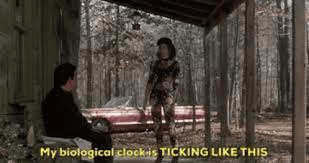
MY GERONTOLOGICAL CLOCK IS TICKING! This is a thought that landed in my brain the other day, as thoughts are wont to do. Remember Marisa Tomei’s fabulous scene in My Cousin Vinny? “My biological clock is ticking like this…!” [Cue stamping foot]. Well, I kind of relate, because I hear some ticking somewhere and it’s really getting on my last nerve.

Now of course this is very aspiritual and non-mindful of me. I mean Eckhardt Tolle writes in his book, The Power of Now, that “Time isn’t precious at all, because it is an illusion.” So what am I getting all worked up for? Well, I’ll tell ya, it’s because I have drunk a little bit too much of that Kool-Aid sold by our culture that says older people are living on borrowed time, can’t experience high levels of joy, and aren’t much to look at either. Ergo, says our culture, with every passing year (day, week, month) I am getting closer to oblivion — not necessarily death, but definitely social ostracization.

“The more you are focused on time — past and future — the more you miss the Now, the most precious thing there is,” opines Tolle. He was ten years younger than I am now when he wrote that, back in 1999. I wonder if he’s still buying it at age seventy-five. (Probably. He seems pretty committed to this whole Now thing). Fact is I’m mostly great at being in the Now, at being grateful for all I have, can do, and am exposed to. Why, just last week I was featured in my friend’s blog as an example of an athlete of a certain age who just keeps keepin’ on because I love the sport so much. And it’s true, being athletic serves me in many varied ways. Yet I confess that every time I feel a little tweak here or a tiny pinch there, I wonder, Is this itis this when everything goes South for good?!

Seventy-year-old journalist Steve Lopez has been featuring stories about the over-sixty crowd in the LA Times of late. These folks surf, counsel their patiens, and drive well into their nineties (a good idea?- not sure about that one). I should feel seen and affirmed when reading these stories of the lively elders, but instead I can only wonder when the follow-up piece on so-and-so’s passing will be published. And don’t try to tell me I’m the only one who looks at the birth years in obituaries either, doing the math as to how many years I might have left.

Thing is, I just want to have fun. And I don’t really want to be someone’s inspiration either. I also don’t necessarily care if people think I look great “for my age”; and I’m not really interested in being held up as a model of fitness and joy (which I kinda am, truth be told). I just want to be another human wandering this earth, fighting for justice and drinking Chardonnay with the girls. Which I am, because that is the now and I’m pretty much in it. But sometimes I discover myself wandering towards the past, which apparently gives us our identity, according to Tolle. Or I might subconsciously launch myself into anticipation of the futuresometimes — which Tolle says brings us a “promise of salvation, of fulfillment, in whatever form.” But that’s not what I see when I look ahead.

What I see obviously doesn’t exist, so instead I am merely imagining what has existed for others. I’ll think of all the old people I have known and know. It is such a blessing to have intergenerational relationships, and it’s something our society has lost touch with for numerous reasons. For me, church has been a wonderful place to get to know old people – like eighties and nineties old. Which apparently is what I’ll be one day, God willing. Anyway, some of those folks are just staying home and watching a lot of TV really loud these days. (I know this because when I call they leave the TV blaring during the conversation). Others are being cared for by family members, still happy to be alive, sporting frocks from their glamorous pasts to church and special occasions. Then there are people in wheelchairs, and people who can’t hear anymore, and people who are sick, and those whose physical selves are in good shape but whose mental faculties have waned.

Ever since I was a kid I was scared of getting old. I would have dreams of being feeble and gray-haired (the latter never happening thanks to Surya Brasil Henna Cream Hair Color – Burgunday). I would wake up so scared. Why, who knows. Anyway, now I’m mostly fine, but once in a while I just lose all track of the Now and my mind overtakes me wherein I experience twinges of fear of the unknown. This emotional response, this pain, is my unconscious resistance to what is, writes Tolle. (Well, I mean he didn’t write me personally, I am simply extrapolating). Apparently I am resistant to aging.

So, that clock is ticking. But it’s not the same as the biological clock (which really doesn’t exist, of course, it’s just another construct for women to bend to). This gerontological clock (please credit me with coining this phrase — unless you know it’s already been used, then please tell me by whom!) sounds in my background once in a while, chiming loudly, You won’t be able to do that forever, or Next time it might be more serious and the like. I can mostly send those kinds of thoughts away, like fanciful baloons floating into the atmosphere (biodegradable, of course), but once in a while they just refuse to budge, and then I don’t feel so good.

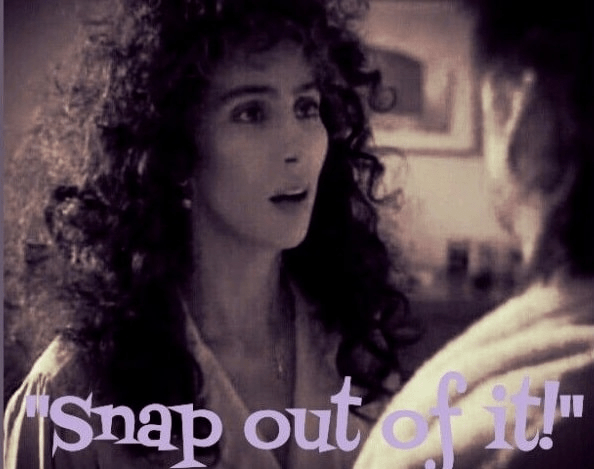
What’s the answer? Oh, it’s so anti-climactic. Snap out of it! Obviously I’m supposed to just keep doing what I’m doing until I can’t — or don’t want to — do that thing anymore. So I’ll keep hanging with friends, playing my sports, drinking more wine than the daily recommendation, loving my kids, and traveling this earth. And then I won’t. And I have no idea what the won’t will look like, do I? So I’m just going to stay here in the Now with my mind right enough, at least, to type out these words in a coherent fashion such that someone else might actually enjoy reading them.

Do the Hustle

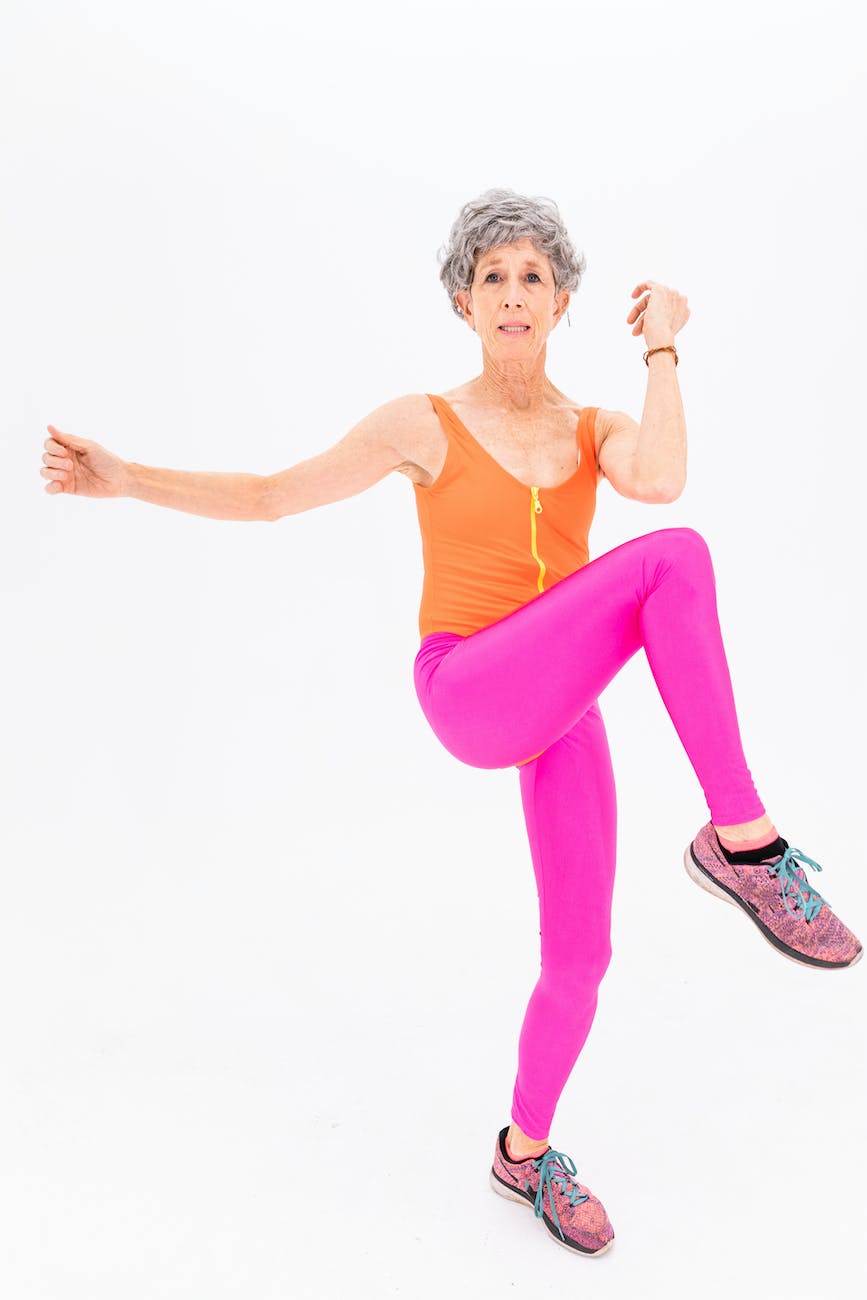
Photo by RODNAE Productions on Pexels.com

SIDE HUSTLE. WHAT’S THAT MEAN THESE DAYS? Recently, on an academic Twitter feed, someone asked what everybody’s side hustle was. Because, academia. (See Rutgers University’s historical strike as an example of why the majority of academics hustle on the side). The Twitter responses were witty, interesting, and a tad bit depressing. I did find a fellow academic who also teaches boxing, so that was kind of cool. There were the usual suspects, like barista and Uber driver. Personally, I have a good friend with a PhD, a number of publications, and a decent title at her university who still works at Wawa during the summer. (That’s an East coast 7-Eleven, my West coast friends). There were also some academy-adjacent gigs listed, such as proofreading, editing, and tutoring. And then there were all the others, so many I cannot possibly list them all — but here are just a few: food delivery, magician, musician, baker, dogwalker, house sitter, plant sitter, and sex worker. Yup, there was a whole thread on sex work as an academic side hustle. Strangely that thread has been taken down. I guess Monsieur Musk did not approve.

Now side hustling is obviously not unique to academics. Artists, for example, are famous for their side hustles. When I was an actor in NYC, I did all sorts of things to pay for acting classes and rent, from opening a rich guy’s mail to building sex toys from medical equipment. I do think it may surprise some people, though, that a bunch of folks with a whole lot of education — and probably a good amount of publication — have to have a second (at least) job in order to support their supposed job-job. This is, at times, especially difficult to understand for those who have more traditional occupations that include regular schedules, long-term contracts, pensions, and automatic salary increases. Those people.

We people, who have numerous plates in the air, are constantly making decisions about which plates to keep spinning, and which to let crash to the ground. Inner narrative questions abound for us: do we say yes to that unpaid gig over there because it’s a great opportunity for exposure (major code words for free labor)? Do we put aside a passion project and go wait tables for the summer just to put a little bit of money aside so we can get back to work on the not-yet-paying project? Do we forge ahead on a wing and (many a) prayer, believing that a big financial lift is just around the corner? And what about travel? Do we spend money we don’t actually own to see friends, family, or just to take a friggin’ break? Should we go to that conference because, again opportunity — even though we might not have any kind of funding available? What about that residency? Maybe there’s some funding somewhere else. (This then becomes yet another job, the researching of funding streams and the filling out of applications). Wait, what if I plan that trip and then a Really Good Opportunity comes my way?

This is the life of the side-hustler — the contingent faculty, artist, undocumented, undereducated, underemployed, previously incarcerated… All the people struggling to keep their heads above financial-ruin waters. It is a way of life, a gerbil wheel that some of us (kind of) choose, and others are forced onto. If more people in power, you know, the ones who make decisions about salary distribution, benefits, union membership, labor practices and so on, had ever lived the life of a side-hustler, perhaps there would be a more even playing field for American workers toiling in those fields. The Bible tells us that, “The harvest is plentiful, but the laborers are few…” (Matthew 9:37), yet it looks a little different from where a lot of the laborers I know are sitting.

There’s been much writing of late about society’s changing attitudes towards work. And we keep being told that the nine-to-five job structure just doesn’t exist anymore. But the fact is, whether those jobs are still the norm or not, the culture created by that framework is most assuredly still the social norm. There exists a kind of expectation that the majority of American citizens have the opportunity — and desire — to go to the same workplace five days a week; know their schedule more than a few weeks ahead of time; receive just one W-2 form every year; and are able to pay for shelter and food on a regular basis.

What I want to say is, “Judge not lest ye be judged” (Matthew 7:1). Or just don’t judge because it’s not nice. If your side-hustling friend, or child, or partner can’t make definitive plans, give them a break. If they cancel because someone has offered them financial compensation, understand. If you want to go out with them, don’t pick the most expensive place possible. It ain’t easy out here on these side-hustle streets. But the secret is, for some of us who (kind of) chose this route, it’s exciting, interesting, and — the thing I hold so dearly — full of possibilities.

Going the Distance

Photo by Ron Lach on Pexels.com

TEACHING A BOXING CLASS, again after many years, is reminding me that teaching is teaching. The gym owner was very pleased after taking my class recently. He enumerated the ways in which my approach was in keeping with the mission of the gym. It’s a special community of a gym, adamant that all bodies are good bodies and that conventional physical aesthetics are not necessary to be beautiful. This mission is spurred on by LGBTQ inclusivity, but it also pertains to many other groups. Including my group, the not-old-but-no-one’s-calling-you-young-anymore group. That one.

As the two of us were talking, I started to realize that what Sam saw me doing with my boxing students is that which I do with all of my students. I see them. And I realized that what surprises and pleases so many of my students – and the majority of my colleagues’ students as well – is that experience of feeling seen. Like, I consider myself pretty funny, sure, and my expertise – whether in boxing or the humanities – is pretty darn strong, but why really do so many of my students express so much joy in class? It can’t be all me. We teachers – and grown folks in general – learn at some point that most things just aren’t all that much about us. The responses we get from our fellow human beings tend to have more to do with the responders than the respondees. That’s a bit of wisdom most of us gain as we age. And it’s quite liberating, I must say.

So, knowing that my students in the classrooms, Zoom meetings, and workout rooms of this world tend to be fairly pleased with their experience, I have to ask myself, what are they responding to besides me and my stellar pedagogical skills? Ah-ha, I thought to myself the other day as I removed my Everlast hand wraps and wound them tightly into small rolls, these folks just don’t necessarily expect to feel seen. Or if seen at all, then they expect to be judged. It’s important to note that the cohorts I have had the pleasure of teaching tend towards the marginalized: students of color, students with learning disabilities, students who identify outside mainstream boxes of identity. Folks like this start to get used to walking this earth either as invisible, or burdened with assumptions and stereotypes. Let me state for the record here that I am not claiming that I am free of judgment concerning others. I am so far from sainthood when it comes to my feelings about this human race. In fact I can think of a handful of people right off the bat who I barely tolerate. BUT, when it comes to my role as a teacher, I am somehow able to shed most of that judginess, and instead see every student as simply a person with a story walking into a classroom full of other stories. bell hooks pretty much always says it best:

“As a classroom community, our capacity to generate excitement is deeply affected by our interest in one another, in hearing one another’s voices, in recognizing one another’s presence.”

bell hooks, Teaching to Transgress

I am having the relatively new experience of being marginalized myself because I now belong to that aforementioned group of a certain age that quite often gets written off. Throughout my life I have certainly felt misunderstood, and sometimes harshly judged, but rarely have I felt invisible, disposable, or irrelevant. That is new for me, and a little bit hurtful if I have to be honest. But here’s how I cheat that experience, I teach! Being around a bunch of young people and engaging with them and their stories – and even sharing a few of my own – revs me up big time. So much so that when I walk by a group of people, or enter a room, and get that unseen feeling it just doesn’t affect me as much. I actually kind of feel sorry for those folks who are missing out on me and my thoughts.

At the end of the conversation with the gym owner, a most lovely trans man who wanted me to understand the positionality of queer gymgoers, I explained that I kind of got it. Not that I know what it is like to be raised in a body that never feels like quite the right fit, but that the response – or lack thereof – to my aging body in places of physical and intellectual activity has been a bit marginalizing, too. But at this gym – as in my classes – it is clear I still have something to contribute. I mean I wish I were better than these feelings of insecurity, I wish my inner spirit was so strong that I did not even notice that our culture is afraid of aging, that it still discriminates against it in all sorts of ways. But I’m human, and vulnerable to the cultural vagaries of this planet on which I live.

So yeah, as we teachers often say, I have learned at least as much as I have taught throughout these years. And I am really grateful to all my teacher friends who I have commiserated and grown with. And I am really grateful to all my students – all of them, even the ones that have helped hurry this aging process of mine! Because I am so lucky to know their stories, and even to play a small role in some of those stories. Teaching is teaching. Like writing is writing. Like people are people. Oh yeah, and like love is love.

Shame on Me

Photo by Laurentiu Robu on Pexels.com

SANDRA CISNEROS RECENTLY SAID in an interview, “I just wanted to write down the things I think. And not be ashamed.” She was discussing her new book of poems, Woman Without Shame , which I desperately need to read for a number of reasons. (Fan girl and poetry nerd are two of them).

I was/am/always will be a romantic.

Which is the same as saying: I fall in love all by myself.

Sandra Cisneros, Woman Without Shame

I’ve been thinking a lot about shame lately. I did the enneagram test, for one thing. I’m not sure how much more effective it is than any of those quizzes we used to do in Cosmopolitan magazine. Like, “Is Your BFF Really On Your Side?” or “Can You Keep a Guy Intrigued?” (Oh, it was just me? Okay.) So my enneagram results said I was a 2, and begin by explaining that 2s, “… stand out for their personal warmth, strong relational skills, selflessness, and eagerness to support people in their time of need.” Well, shucks. But then it also said, “types 2, 3, and 4 are in the shame triad which means the core emotion you struggle with is shame. People in this triad feel unworthy…” Oh, um, can we go back to my personal warmth and selflessness, please? Anyway, I took this all with a grain of salt and moved along. Then came Pastor Tiana with a little message from the pulpit Sunday morning.

Now, I will preface this by saying I was still recovering from a pretty hearty cold and was probably extra vulnerable on Sunday. I hadn’t had a chance to put on my Cancerian shell quite yet. So here comes Pastor Tiana, talking about Nehemiah and revival, and joy and I’m feeling in the spirit. Then she starts referencing issues of repentance, but not your typical admonishments of, “Go and repent,” or anything like that. No, Pastor Tiana was saying that in this world repentance often leads us to shame, that instead of following God’s will…

Nehemiah said, “Go and enjoy choice food and sweet drinks, and send some to those who have nothing prepared. This day is holy to our Lord. Do not grieve, for the joy of the Lord is your strength.”

Nehemiah 8:10

…we just self-flagellate, like in the ancient olden days. In fact, shame “can be our constant companion” wherein “we feel the antidote [to sinning, or just plain messing up] is no joy.” In other words, shame. All this even though the Bible reminds us, “There is therefore now no condemnation for those who are in Christ Jesus” (Romans 8:1), which is after all a pretty big plank in the platform of our faith. All this got me to thinking, as so often happens in church, “Am I denying myself joy? Not just regular happiness, but J-O-Y joy?!” And because that was the second time in a short while that the word shame had entered my sphere, I thought I’d better pay attention. And I started wondering if maybe shame was more expansive than I had first thought of it as.

Like there are definitely a few things I wish I had not done in my life, and I do feel ashamed of them. But that got me to wondering if maybe we carry shame about things that are not even wrongdoings, or things we even had no control over. And my answer was, “Yes, I believe we do.” Well, once I let that expanded definition into my head, the gates opened up! I started writing a list, and not being as brave as Cisneros, I ain’t sharing much. But suffice it to say that my list was 24 items long – and I keep thinking of more things I could add! This list includes things that other people have openly admired me for; things that other people would not even define as wrong; and things that folks have assured me were not issues for them personally at all. But apparently I have chosen not to believe anybody, just my shame.

So now what? No answers up in here. But I guess I would encourage you to write down a list for yourself. According to the Oxford online dictionary shame is, “a painful feeling of humiliation or distress caused by the consciousness of wrong or foolish behavior.” I guess key here is what we deem wrong and foolish. If you look at the list list you made, you might discover you’re ashamed of some stuff that is neither wrong (even maybe quite the opposite) or foolish (because it was not a choice on your part). This might be useful, it might not. But it seems like especially women of a certain age are working hard to shed their shit right now. Like, we are not going to wrestle with the vagaries of aging AND keep carrying society’s baggage, too.

So, make your own quiz, “What Do You Feel Ashamed Of?” Then look at that list from the perspective of just about anybody else other than you, and see how fabulous you are. Then maybe go have some tea, or a glass of wine, or take a walk, or do a mud mask. I don’t know, just do something for YOU that you wouldn’t do for someone you were ashamed of. And Happy International Women’s Day!

Care Enough to Run Up the Hill*

Photo by Carmen Ong on Pexels.com

JUSTICE AND MERCY, SO THE STORY GOES, WERE SITTING BY THE SIDE OF A RIVER TOGETHER. Suddenly a body came floating downstream. They run out to rescue the person, bringing them to shore. Taking a moment to relax after the dramatic experience, they see another body coming towards them. They launch another rescue. At the end of that day, the sun beginning to set, they are just about to depart when yet a third body comes floating downstream. Mercy rushes out into the water again, only to look back to see Justice running up the hill alongside the riverbank. “Where are you going?!” yelled Mercy over the rushing waters, “We have to rescue this person!” Justice yelled back, “I’m going to go find out where all these bodies are coming from!”

This was the story Pastor Tate told in church last Sunday. And as they say in our faith tradition, “If you get it early…” (I won’t have to keep preaching). As in, mercy is fabulous, but justice is action. And justice, quite often, is sought out by those who have been wronged, who are have been in pain. And Pastor Tate says God does not waste pain, that there are positives that can come from it. Well, that got me to thinking about African-American history (something I do a lot), and how the pain of enslavement quickly brought on the demand for justice. And we’re not just talking Harriet Tubman, anti-segregationists, and Dr. King. From the minute so many Africans were kidnapped on their own land, justice was sought – in a variety of ways. And that is reason 5,978 that we need Black History Month; and African-American History taught from an early age; and even the dreaded Critical Race Theory, as a framework for cultural and historical discourse.

Most everyone is familiar with the resistance by some to the teaching of Black history in our schools of late. Well, at least the teaching of any kind of meaningful lessons regarding what actually happened on United States soil since this place first became a nation. And then before that. The College Board’s proposed African-American History Advanced Placement courses have recently been ripped to shreds, becoming not much more than a review of the few iconic writers and over-emphasized events that have already been approved for our consumption. Some of the modifications include The Black Lives Matter Movement being an optional subject. I can just imagine the Civil Rights Movement gaining that kind of status. The College Board (a whole ‘nother discussion!) also nixed Kimberlé W. Crenshaw who began using the term “intersectionality,” a crucial facet of identity discourse. bell hooks is out, in all probability because of her writings on Queer Studies. Thus film students will not get to read one of the best books ever, Reel to Real: Race, Class and Sex at the Movies. Ta-Nehisi Coates has also been ejected, perhaps due to his call for reparations. Meanwhile young students will miss out on a poignant letter from father to son in the fabulous book, Between the World and Me.

Critical Race Theory has been characterized by this particular group of zealots as an approach to cultural discourse that blames white people for everything, and ignores the myriad contributions that said white people have made to this country. (Because we don’t already talk about that enough apparently). And the 1619 Project might as well have been the Communist Manifesto (not that there’s anything wrong with that) the way folks were/are up in arms at the project – and it’s not just the usual suspects either.

This crusade is much more important than the anti-lynching movement,
because there would be no lynching if it did not start in the schoolroom.

Carter G. Woodson

Back in 1926 Carter G. Woodson chose February for the original Negro History Week, in part because it held the birthdays of two men considered champions of the Black American: Frederick Douglass and Abraham Lincoln. The latter’s narrative is a bit up for debate – as Woodson noted at the time – but no one will be having that nuanced discussion in a classroom anytime soon.

Scholars, educators, and artists are working for justice because mercy isn’t enough at this point. A lot of us teachers are in pain as we watch the hostile takeover of the free-speech classroom. Most Americans wince at the shackles of rules and regulations immobilizing educators around this country. People of color are continually forced to witness their stories bandied about like fairy tales. Students feel betrayed when they discover what they have been taught is only a tip of an iceberg at best. Academics suffer job loss when they challenge the McCarthy-like stances of their institutions. And all this pain in order to appease the discomfort of a small group of people who fear this world that no longer looks or sounds like the world they are familiar with.

Dr. Cornel West – who I am sure is not included in any of the “updated” African-American curricula – said many years ago, “Never forget that justice is what love looks like in public.” God knows we need mercy in this world – always. But we also need justice. And if enough of us are willing to run up the hill and see where all the bodies are coming from in the first place, then maybe mercy won’t have to be quite so busy tending to all this pain.

*Borrowed from Pastor Tate’s sermon framework: Care Enough to 1)be curious; 2)pray; 3)go

On the Edge

Photo by Matt Hatchett on Pexels.com

ABRAHAM AND ISAAC, SHEESH. I mean everyone knows the Bible can be a scary place, but reading a story about a man getting ready to light his kid on fire is next level. Tiana Spencer preached at Fellowship Sunday, and as always made most everybody cry. In a good way. Church a wonderful opportunity to let it all hang out – if your church is that kind of church, of course. For me, one thing these Sundays are about is regrouping from the week. And that is what sabbath is about, too, and something that no one doesn’t need: a refresh from the previous six days.

But now getting back to Abraham, his story is used in Jewish and Christian faiths as an illustration of full-on trust in God. I mean he had the knife raised and ready to go before God told him it was all good, and that there was some poor ram caught in the bushes that he could kill instead of his son. (Animal sacrifice being a thing at the time). (If you don’t know this story, you can read about it here). I remember one preacher that said that lots of people say they trust in something, are fully committed to someone – God, partner, process, etc. and that these folks try to prove their claim by holding the proverbial knife over their metaphorical child’s body. BUT, said this preacher, they are only holding rubber knives. Oh snap, that’s deep.

A lot of us say we have faith or trust in something but we’re not really willing to make the big sacrifice in the name of that trust. This reminds me of Dr. Martin Luther King, Jr. Day, which occurred a week ago Monday. This day irks the heck out of me. All sorts of people (and companies, and institutions, and…) claiming their deep commitment to the pursuit of civil rights. And of course some folks really are committed – though they aren’t usually the ones posting graphically appealing quotes and selfies of their annual volunteer shifts online. These are the rubber knives, a safe way to go while still looking like you’re following the leader.

Pastor Tiana pointed out that Abraham knew something that a lot of us don’t. See, one reason his faith was so unwavering is because he had already seen evidence of God in action. Like, Abe was going to trust anybody who said to him and his old wife that they were going to have a baby and then made it happen. And now he was walking with that miracle child. He was looking at his “receipt” as Pastor Tate might say. That sure got me thinking how many times I have wondered if anybody was ever going to help me with this or that, while all the time walking right next to all sorts of help already. This reminds me of one of my favorite parables:

A storm descends on a small town, and the downpour soon turns into a flood. As the waters rise, the local preacher kneels in prayer on the church porch, surrounded by water. By and by, one of the townsfolk comes up the street in a canoe.

“Better get in, Preacher. The waters are rising fast.”

“No,” says the preacher. “I have faith in the Lord. He will save me.”

Still the waters rise. Now the preacher is up on the balcony, wringing his hands in supplication, when another guy zips up in a motorboat.

“Come on, Preacher. We need to get you out of here. The levee’s gonna break any minute.”

Once again, the preacher is unmoved. “I shall remain. The Lord will see me through.”

After a while the levee breaks, and the flood rushes over the church until only the steeple remains above water. The preacher is up there, clinging to the cross, when a helicopter descends out of the clouds, and a state trooper calls down to him through a megaphone.

“Grab the ladder, Preacher. This is your last chance.”

Once again, the preacher insists the Lord will deliver him.

And, predictably, he drowns.

A pious man, the preacher goes to heaven. After a while he gets an interview with God, and he asks the Almighty, “Lord, I had unwavering faith in you. Why didn’t you deliver me from that flood?”

God shakes his head. “What did you want from me? I sent you two boats and a helicopter.”

https://en.wikipedia.org/wiki/Parable_of_the_drowning_man

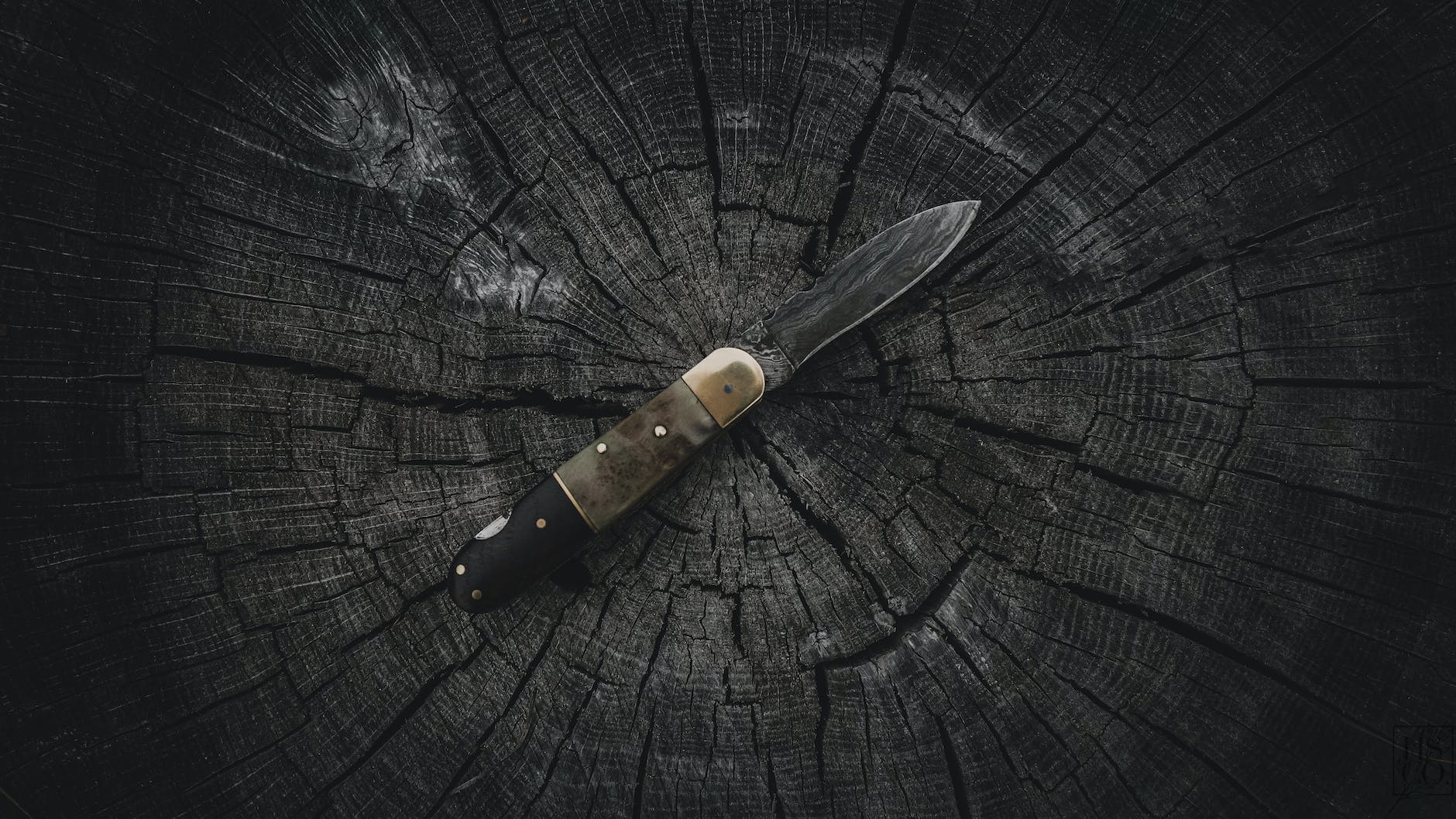
I’m thinking about the Sabbath, about resting, about renewing, and this week of making sure I see my blessings around me. Not just being grateful, but actually looking at them and thinking about how they got there. And I am going to keep the faith and do the hard work that that requires. And I’ll carry a sharp knife to illustrate that faith, and just hope I won’t have to use it.

To Be a Sheep

SHEEP ARE CUTE. Their wool makes clothing. Some of us eat them. And they are one of the most prominent images used in religion since forever. Dr. King was all about sheep, and lambs. In March of 1968 he preached a sermon entitled, “Unfulfilled Dreams” at Ebenezer Baptist Church in Atlanta. (The same pulpit from which President Biden spoke yesterday, by the way. Not sure how I feel about that one). In his sermon, Dr. King referenced the parable of the lost sheep, and just why that sheep may have gotten lost in the first place. And, lest we forget, Dr. King had jokes. Talking about, “Now, the terrible thing in life is to be trying to get to Los Angeles on Highway 78.”

Yesterday, Fellowship Monrovia’s Pastor Albert Tate continued the monthly series on the Sabbath. I wrote about that last week, about the resting. This week’s message was about delight, a word that delights me just by saying it. Its origins come from other words, like charming and alluring. Tate used Psalm 23 as the framework for the sermon, calling the Psalms “David’s journal,” which I thought was a pretty cool way to look at that book. Tate asked us to delight in God’s “Is-ness” (and not Satan’s “bizness” – ’cause Tate has jokes, too – so, so many jokes). Turns out that Dr. King also talked about is-ness, but the is-ness of people. In his acceptance speech for the Nobel Peace Prize in 1964 he said, “I refuse to accept that the ‘is-ness’ of man’s present nature makes him morally incapable of reaching up for the eternal ‘oughtness’ that forever confronts him.” So what is we and what ought we to do?

The Lord is my shepherd; I shall not want.

He maketh me to lie down in green pastures: he leadeth me beside the still waters.

He restoreth my soul: he leadeth me in the paths of righteousness for his name’s sake.

Yea, though I walk through the valley of the shadow of death, I will fear no evil: for thou art with me; thy rod and thy staff they comfort me.

Thou preparest a table before me in the presence of mine enemies: thou anointest my head with oil; my cup runneth over.

Surely goodness and mercy shall follow me all the days of my life: and I will dwell in the house of the Lord for ever.

Psalm 23

We is sheep, if we accept the premise of most of the Abrahamic religions. That’s supposed to be a good thing; we have a shepherd to care for us, and we get directed to yummy green grass and nice quiet water. It’s the ultimate hook-up. BUT, culturally we all know that being called a sheep is a baaaaad thing. (I got jokes, too). For example, throughout this pandemic, some of us who have chosen to wear masks in certain circumstances have been referred to as sheep, animals uncritically following the lead of a shepherd — in the form of the CDC or Dr. Fauci, I guess.

“Desperately dependent,” is what we want to be according to Pastor Tate – but not on man. Woops, wrong shepherd? Then again, aren’t some people worthy of leading us? Oh say, Dr. King who everybody and their cousin is quoting today. (I pray that most of those folks are also walking King’s walk throughout the year, too). So how do we know when something is good for us, and when it’s not? When should we follow?

Tate refences the line in the Psalm where it says “He maketh” me lie down in those green pastures. He maketh us because we don’t know enough to chill out once every seven days (if that’s available to us). So we have to be made to lie down. But we all know what it means to be told we “lied down” — it’s an insult, like you aren’t thinking for yourself. Rest or work? Mask or don’t? Move to Los Angeles or stay put? Say what I’m thinking or keep my mouth closed? We are faced with quandaries umpteen times a day. So how do we decide what’s best? It depends upon who our shepherd is, I think. My tradition says it’s God. Others might call it a Higher Power, or may simply name their shepherd as morality. You know who a lousy shepherd is though? Our ego (fear, pride, envy being the herder dogs). I mean you ever follow your ego? You’re going to end up in some arid land with no water to drink, I can almost guarantee that.

I remember one time years ago when I was able to drag my mother to my little church in Madison, New Jersey. So my pastor is talking about shepherds and sheep, and specifically about the characteristics of sheep. Well, my mother – who grew up on a farm in Indiana – was huffing, puffing, tsking, and talking under her breath about how this man did not know a thing about sheep. He made the usual reference to their ignorance, for example, to which mom responded something to the effect that the sheep she grew up with seemed smarter than most people she knew. Fact is, it’s a bad rap that sheep get in this category. Anecdotal studies show that they can do all sorts of things that pigs (apparently the valedictorian of the farm animal) can do. So that takes me back to this cultural question: is it baaaad to be a sheep, or good?

Nobody really wants to walk through the valley of the shadow of death, but I am guessing we all have. That’s the dark, cold, place where you feel pretty much alone. It’s not a favorite season for anyone. But we can contend with those seasons, argues Pastor Tate, by finding delight somewhere somehow in them. For most of us, a ray of hope is available even in times of despair. And (not or) we can also do as Dr. King called us to do in his speech at the March on Washington: “Now is the time to rise from the dark and desolate valley of segregation to the sunlit path of racial justice.”

So let’s be sheep (maybe even black sheep if your circle is not one of activism). Follow that inclination to seek out greener pastures for you and your fellow human, even if you don’t get all the way to that verdant mountain top yourself. King said in his “Unfulfilled Dream” sermon, “Thank God this morning that we do have hearts to put something meaningful in.” And that is where we are different from sheep, we can be moved by a spirit (The Spirit) to follow through on our dreams. So say amen, somebody, say amen.

Photo by Jesus Solana from Madrid, Spain – Black sheep . Do u also feel different? // la Oveja negra. Tambien te sientes diferente?, CC BY 2.0, https://commons.wikimedia.org/w/index.php?curid=5050231