The Long Way: a Short Story (conclusion)

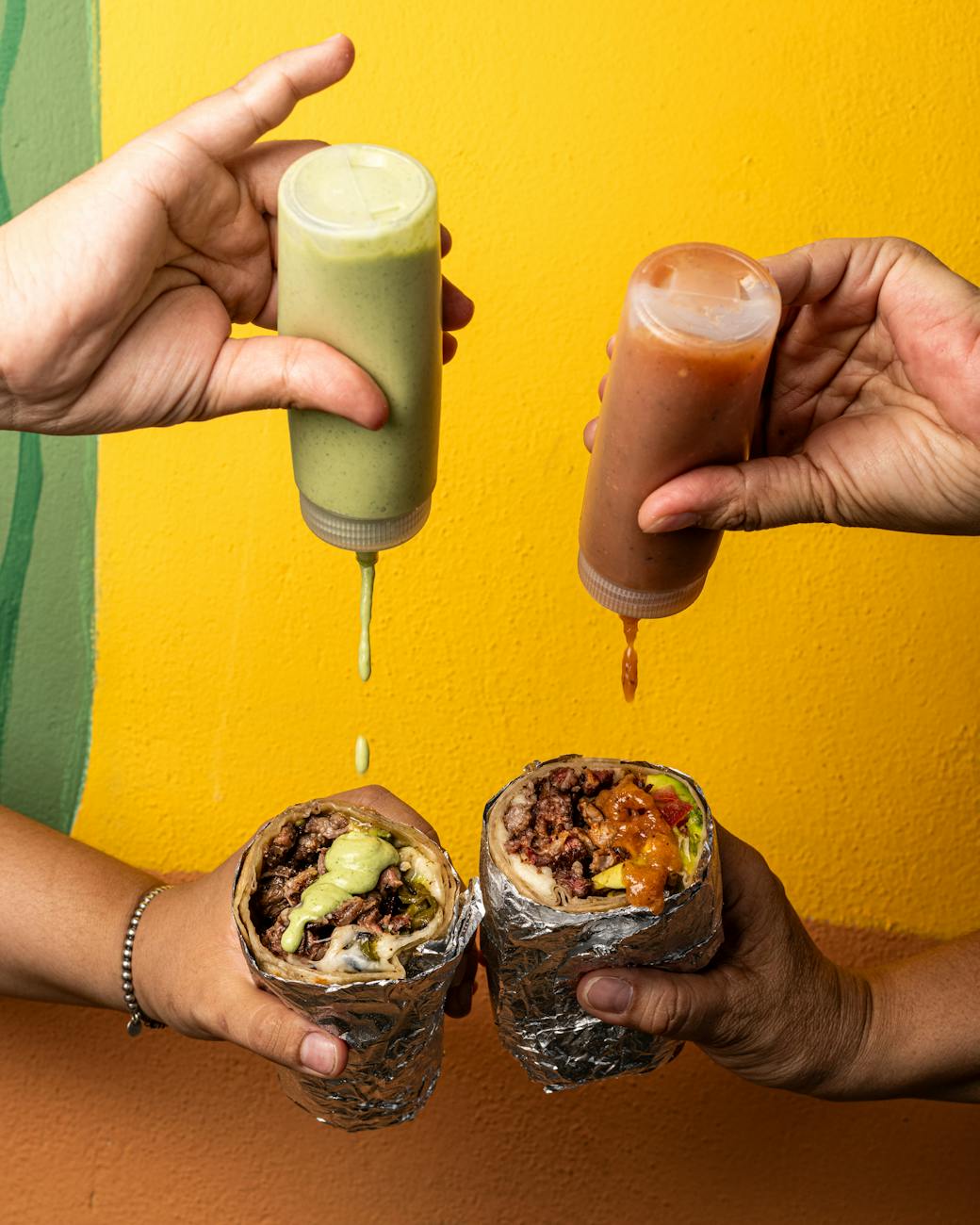
Photo by Enrique Zafra on Pexels.com

THE WEATHER WAS GETTING HOTTER and Ronald was down to a light T-shirt and shorts in the truck. He never wore what some people called a “wife-beater.” For one thing, it was a terrible name. And for another, he just felt as if there was something disrespectful to have that much skin showing as a chef. Which is how he saw himself – even if not everyone else did. But today was going to be a good day, because it was his last for three whole days. He and Edward were going to take a little trip, go fishing near Marina Del Rey, and stay at a friend of Edward’s. California had these free fishing days every year and the two men were going to take advantage of that – and the free lodging – and actually have a long weekend together. Ronald had not taken a day off, except Sundays, since he started the food truck.

All that day he was telling his customers he wouldn’t be there the next two days. Some were truly disappointed, which made him feel awful. But a lot of them supported him getting away. Take a break, my man. You deserve it. Disfruta! The day whizzed by and Ronald was proud of himself – he had guessed pretty well how much food he would need, so that not much would be wasted. Because he couldn’t save anything left over from Thursday for Monday’s meal.

            He drove home, feeling excited like a kid. It made him think of when his dad would take him and the other kids fishing. His mother would pack wonderful picnics with empanadas and aguas frescas in mason jars. It was a cliché, he knew, but life was simple back then. Or so it seemed anyway. Sometimes he really wondered if leaving his home was the right thing to do. What was he searching for anyway? Maybe he would already have a family if he had stayed, children to take fishing himself. As he sat in traffic on the 2 Ronald imagined a fully different life, something that he did not usually allow himself to do.

            After dropping off the food truck and picking up his Toyota Corolla, fully packed already, he arrived at Edward’s a little before five. Edward’s car wasn’t there. Ronald thought maybe he was out getting some last-minute groceries. Ronald let himself in. Edward’s duffel and fishing equipment were sitting right by the couch, all ready to go. Ronald sat down on the plastic covered couch and let out a sigh. He would just sit for a moment. A good start to the vacation.

Edward returned five minutes later, with beer and everything needed to make an authentic Guatemalan meal. He had a cooler filled with steak, chorizo, shrimp and chicken. He bought rice, green onions, and avocados, too. What a feast they were going to have! It would really feel like vacation. Ronald’s mouth was already watering.

They packed up the trunk of Ronald’s car and settled into their seats, checking the GPS for directions. Ronald said he might know a shortcut, to avoid the freeways that time of day. “There are no shortcuts in LA, man,” said Edward. “You know that.”

The men pulled out of the driveway. Edward noticed several cars parked alongside the curb, cars that didn’t look like they belonged in that neighborhood. “I don’t like the looks of those cars,” he said, under his breath. Ronald told him to chill. Edward had a tendency to be jumpy about things. The traffic was slow right off. They were about three blocks away from the house, stopped at a traffic light when two men wearing green vests ran up to the driver’s side window.

“Get out of the car!” they shouted at Ronald as they attempted to open the car door. The automatic locks were on and this made them angry. Ronald tried to motion that he was going to pull over, instead of getting out of his car in the middle of an intersection. One of the green-vested men pulled a gun. Ronald turned off the car and got out. As did Edward. Cars were honking, seeing just one more obstacle to the interminable commute. But then, one of the drivers, a small, dark-haired woman, stopped behind Ronald’s car and got out. She held up her phone and said, “I’m recording this.” The man with the gun cursed at her but the woman kept the phone trained on him.

Meanwhile, Ronald was able to pull out his red “rights card” while the officers were distracted. (Because you never reach for something when a cop – or whoever these people were – stops you). Ronald proceeded to say in a monotone, “We do not wish to speak with you, answer your questions, or sign or hand you any documents based on our 5th amendment rights under the United States constitution.” He then said, “Edward, call Stephano.” Edward, shaking, still with the phone in his hand, called their lawyer.

Meanwhile the officers were spewing curse words at Ronald, Edward, and straight into the camera of the phone the woman was holding. The one without the gun started walking towards her, but she stood her ground, remaining silent. He stopped in front of her, threateningly, but doing nothing for the moment. Another car pulled up alongside the woman. The driver got out to see if she was alright and after realizing what the situation was, got back in their car and made a phone call. Meanwhile, the man with the gun was yelling about “no rights for non-citizens” and then broke Ronald’s passenger window with the butt of his gun.

“Maybe we should just ask them what they want,” Edward said after about ten minutes of standing there. “Who knows how long it will take Stephano to get here.”

“Absolutely not, Edward. We know our rights.” Ronald stared straight at the man with the gun. Then suddenly he heard Edward yell. The other officer had gone around to his side of the car and cuffed him with some zip ties. “You can’t do this! Why am I being arrested?!” Edward cried.

Ronald ran to his friend, trying to grab him away from the officer. The man with the gun hit Ronald in the head. And Toni just kept on recording.

The Long Way: a Short Story (part 3)

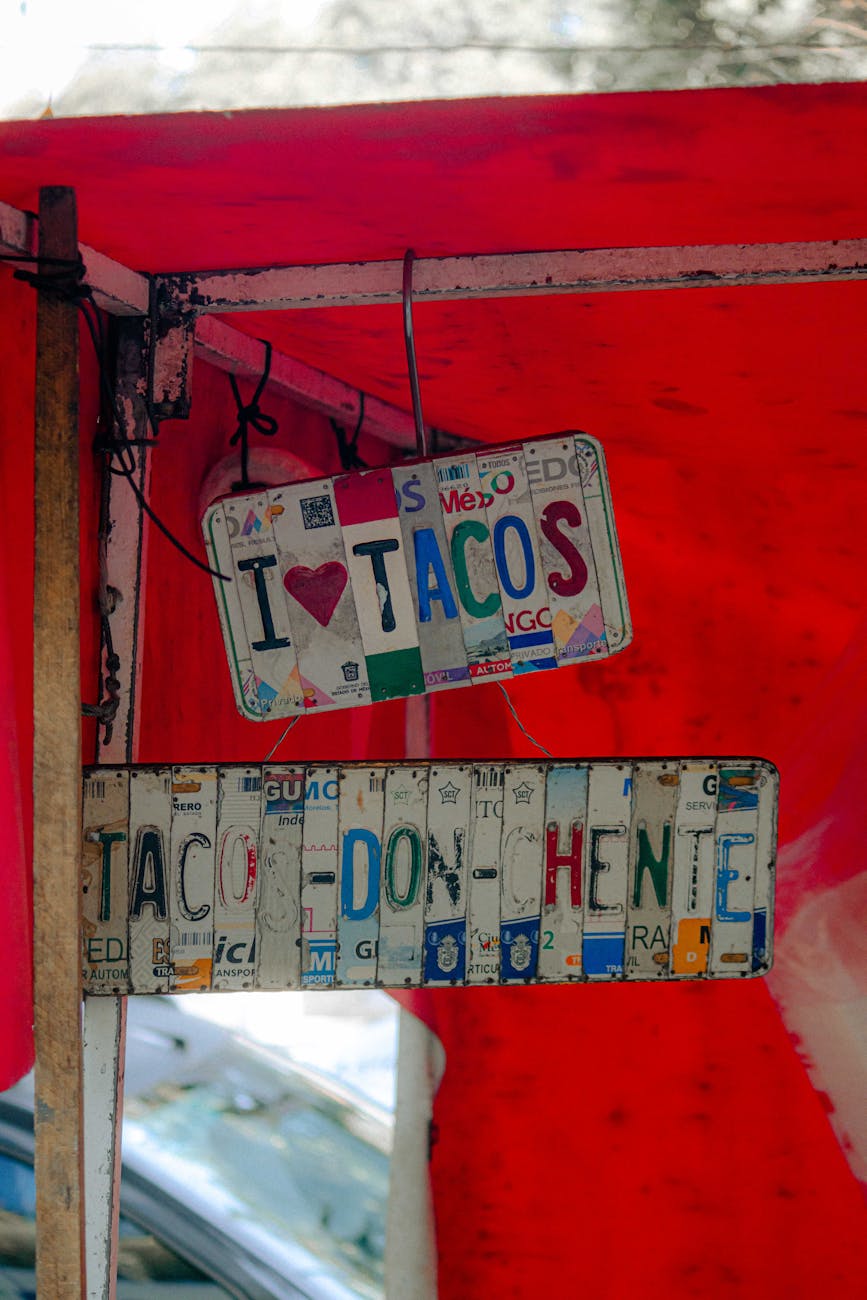
Photo by Ricky Esquivel on Pexels.com

It was always green salsa for her. That was how Toni was raised. Her uncle would make both red and green for big parties and holidays, but for the most part on the dinner table each night was salsa verde. And the Valentina for heat. She kept a bottle of it in her desk now, to put on everything from ham and cheese sandwiches, to leftover chicken, to a spinach salad. She realized she probably should have eaten at her desk, then she would have her hot sauce with her.

Toni chewed her enchiladas and dipped her free chips into the guacamole as she daydreamed about home. About her mother and uncle, her younger brother, their dog, a Cocker Spaniel named Rico. It was peaceful there, once her dad left. It became a nice place to come home to after school every day, a place she didn’t even want to share with most of her friends. Because it had become a sanctuary that she did not want disrupted. She worried that if outsiders came over things would change. Like before.

Her dad was like an outsider, he never belonged there. He wanted Toni’s mother – and everyone else in the family – to be different. Even the dog. Like, so many rules around what Rico could and couldn’t do; all these little words, sounds, and gestures to train him just so. He was a dog, her mother would say, solamente un perro, leave him alone. That’s how she would talk to her husband in the beginning, to Steve. But after a while she would placate him more. The kids – and the dog – became victims of this placating. They knew when their didn’t agree with some mandate or another that Steve had handed down, but she thought it would bring peace to the household if she didn’t resist. But instead of peace it just stored up anger, in the hearts of her kids — and in her as well, it turned out.

The third phase of her parents’ relationship looked like fireworks. Her mother no longer placated, or gently challenged, she just yelled. Toni would find herself rooting for her mother, thinking, You go girl, tell that arrogant bastard just what you think! There never seemed to exist any risk of physical violence; Steve wasn’t macho enough for that. Whatever that meant. Like, a “real man” Latino would beat the shit out of her mother? Nope. Toni just really hated Steve, so any insults she could think of made sense in the moment.

It was almost time for class and Toni had eaten both enchiladas, all the guacamole and most of the tortilla chips. It was a combination of hunger — because she’d had no breakfast due to the questionable refrigerator — and just being lost in thought. It was one of the most peaceful moments she had enjoyed in a long time. She decided she would start class with a writing prompt: Choose a family member from your childhood (this can include a pet) and write your feelings about them. She would time the students, three, maybe even five minutes for writing. It would be hard for some of them. But if they didn’t want to do hard they could choose their pet. Unless the animal met with some horrible demise, which is possible. Really, it was so difficult to be a teacher these days, every topic was deemed sensitive, students were not supposed to be made to feel uncomfortable. Which of course was the problem with the world today as far as Toni was concerned. The citizenry had decided that a noble goal was to avoid discomfort at all costs. Nothing ventured, so nothing gained. That was something Steve would always say, “nothing ventured nothing gained.” Where he heard that phrase was a mystery because that is not the way he spoke usually. He probably didn’t even know what it meant. Plus he only used it to refer to things he thought were worth venturing. About things that only he could possibly gain from.

Toni gathered up her lunch wrappers and bags and threw them in the garbage can on the way back to her shared office. She realized she was extremely thirsty, having totally neglected to bring her water bottle with her. She hurried down the sidewalk to Rampart Hall where her office was, turning over the phrase, “nothing venture.”

Fall in Southern California was basically like summer anywhere else. So when winter came, the fall-like conditions finally arrived. Crunchy leaves fluttered to the sidewalks, colors changed in the mountains, and the light took on a softer look, dissipating instead of poking taser-like at the body. Those who didn’t like the searing heat of summer/fall (which was not everybody) came outside in the winter. The parks got fuller, in the daytime at least. SoCal people, no matter their season, were not great at the cold nights, the way the temperatures would dip so quickly the moment that melting sun sank behind the mountainous horizon.

Ronald liked the winter, in part because it wasn’t so hot inside his truck. In the summer it felt like you were sitting in your car with all the windows up and no air conditioning. The grilling onions and peppers emanated heat into the cramped space as he raced from cooler to cook top to service window, over and over and over again throughout the day. He had thought about hiring someone, he had made enough money to do that. But how would he fit two people in there? He didn’t have one of those big trucks. Not yet anyway. And if there was someone else there it would be even hotter, another sweaty body in close proximity. He preferred to go it alone for now, work his ass off and then be done with it. Plus, if there was ever some downtime, a lull in customers, he could enjoy some quiet and peace in his little world, even if for just a moment.

He was having such a moment on this day when he found himself thinking about Antoinette. Not so much because he liked her or anything but wondering why women didn’t come to his truck more often. Was it all those men encircling the place? Was that intimidating? Was there something Ronald could do to attract more women to the truck? Was that even important? Maybe offer some salads? Women seemed to like salads in America. And of course it was important: more customers was always a good thing, and the more diverse the customer base the more possibility for expansion. He learned that in his business class, the one he took at the community college up the street last spring. They were called extension courses. Edward had told him about them.

Edward learned a lot from the men he worked with, and then told Ronald whatever he knew. The men were definitely their own kind of networking group. A lot of them had been professionals back home, or at least had very different jobs than the ones they were working now. So many people assume that South and Central American and Mexican men are simply wired for construction, landscaping, or selling empanadas underneath a canopy on the street. Well guess what, a lot of these men held very important jobs at one time. Edward himself had been a sous chef after all, at a four-star restaurant. He worked construction with one man who had been a high-level administrator for his city government; another who was a licensed dentist; and yet another who was an author and professor. That man, Tomas, Edward reported to Ronald, was not cut out for construction work. The first day they met, standing in that group of day laborers, he noticed Tomas had on regular sneakers. Like he was going for a walk in the park or something. And no gloves. Turns out Tomas thought those sorts of things would be provided by the employer. But he learned.

Ronald liked Edward’s stories. His friend was a good storyteller. He did the voices, facial characteristics and everything. As they stood side by side cleaving the meat and stirring the sauces in Ronald’s kitchen on prep nights, Edward would act out the stories. Ronald was slightly envious of the closeness his friend had with his co-workers. Even though the group changed a bit each time, there seemed to be a central group of men. And even if they didn’t work a job together, they’d see each other in passing on another job, or sometimes in the parking lot first thing in the morning. Edward hadn’t had to go back to that parking lot for a while though.

Conversely, for Ronald, there was something about the physical barrier of the food truck that didn’t seem to allow anything too personal to go on. Which Ronald was okay with for the most part. He was up high, looking down at his customers, speaking from a small window, quickly repeating back an order, getting a name, then going to cook. There wasn’t time for chit-chat. Chit-chat. Such a funny term. He learned it when he passed by a café in West Los Angeles one time.

Ronald had decided to go to the beach that day– his day off, a Sunday. He had been thinking about yerba mate lately, feeling nostalgic for something from home. He decided to stop off at an Argentinian shop that carried it but, on the way, he saw a café advertising matcha which he initially misread as mate, which is what they all used to call it back home. The place was called Chitchat Coffee. He parked, went in and quickly realized there was no mate. But they were friendly there, and even though it was a little expensive, he ordered a matcha. And he asked what the store name meant. Because he was always looking for a good name for his business, his future company when he really got things going. Most of his customers now just called his truck “Tacos Burritos.” apparently, the first two words on his LED sign. Even though it said “Ronald’s,” in script, above the windshield. Not Ronaldo’s either, though that was his given name. The matcha was okay, but it wasn’t mate by any stretch.

It was raining one day as Ronald sat atop his milk crate just outside his truck, getting some fresh air during a break in business. People said it never really rained in Southern California, but it actually did. Someone must not have brought their umbrella, Ronald thought. He had his. Edward stopped by the truck because he had the day off due to the weather. Ronald was happy to see him, a friendly face, a friend. Edward ordered the cheese enchiladas, wanting something he didn’t have a hand in making. Ronald gave him everything free, chips, extra salsa, lemonade… Edward kept saying No más, cerote! But Ronald felt very grateful to Edward. Not only for his help, but for his friendship. He was a good man.

As Ronald was piling grilled onions into a separate paper dish for Edward, Antoinette came to stand in line. Ronald reached his hand through the window to hand Edward the onions, caught sight of Antoinette, and promptly dropped the dish onto the ground. “Bro!” laughed Edward. Other customers had arrived and sort of shuffled away from the mess, reforming the line to the side. One nice man – Ronald was pretty sure he worked at the nearby pharmacy – started picking up the onions with a bunch of napkins that he took from the window shelf.

“You don’t have to do that,” cried Ronald, embarrassed twice fold — for getting excited by the sight of a woman and then having a customer clean up his mess. But the man smiled and Ronald had a bunch of customers to serve, so he just let him keep going. When that customer finally got to the front of the line, Ronald gave him his Topo Chico for free.

Antoinette ordered the chicken tacos this time, with green salsa. Ronald didn’t add anything extra to her order this time. He felt too silly already. He watched her walk away, wearing grey trousers and a black jacket. Those clothes fit her better than the suit, he thought.

Edward hung around until the lunch crowd had left.

“Who was that woman, Ron? I thought you said no women came by?”

“Oh, her name is Antoinette. Yeah I was real surprised first time I saw her. But maybe she’ll be a regular, tell other women. I was thinking we – I mean I! – should offer a salad or something. What do you think?”

“I don’t know man, she looked like she was happy to have the enchiladas. But we could experiment, make something out of what you already have. Like the pizza places do. We’d need some crispy lettuce, something that wouldn’t die in this heat.”

The two men talked back and forth about the possibility of the salad, and then about maybe adding a few more things to the menu. After a while Edward said he was ready to get home so they did a one-arm hug and he was on his way. Ronald served a few more customers and then it was two-thirty and time to wrap up for the day.

Mexico felt so distant to Ronald at times, yet other moments he felt he was right back there, in his home, with his brother, sisters, parents and cousins all sitting around the living room, watching soccer or wrestling on television. They had a big house, even for Tijuana. But they had a lot of people to fit in there, too. His dad made decent money, working in San Diego all week, then coming back home on the weekends. But when his dad finally got a job at one of the local factories it was so much nicer for the family. He was a good dad. Next door to them lived Ronald’s abuela and a friend of hers. They both lost their husbands around the same time so the friend sold her house and moved in with his abuela. They were funny women, different than Ronald’s other female relatives. Very independent.

Ronald grew up happy, liking school, and learning English easily. So many people spoke English in Tijuana, whether American expats or simply Mexicans who spent so much time working on the other side of la línea. But things started to change when Colosio was murdered. The drug people had always been around, but not so much in Tijuana. Of course, some people didn’t think that the politician was killed by dealers, that it was probably more political. But either way it kind of stirred something up and life felt more tenuous to Ronald than before. He had been thinking about trying to live in the United States. So many of his friends were doing it. Even though it was much more expensive than Tijuana, you could also make more money there and live your own kind of life. Ronald was tired of working for the medical devices company, assembling items on a conveyor belt. He wanted to be creative, he wanted to cook food for people, show off his skills. And make money. So he left.

            It was hard for a while, of course. He lived in a house with four other Mexican men. They would pile into their one car, a 1984 Oldsmobile, and drive over to the Home Depot lot to wait for work. Ronald thought about going back a few times, thinking he wasn’t really doing any better in America. But after he met Edward, realized there were other men there going for the same thing — not just trying to get by but to succeed — he decided to stay. It was a good decision. But it still was not easy. The documentation process was so slow and he was worried if he didn’t get things in order before the new year that he might get deported. What would happen to his truck? His customers? He tried not to think of it all the time yet everything he did was about getting his papers in order — and not being noticed by the authorities along the way.

            Toni liked her life. She had a lovely apartment with lots of natural light. She had a very pretty dog, in her opinion anyway, named LuLu, and a few friends, most of whom she liked. But that proverbial something was missing and she wanted to find out what that something was. At some point, anyway. Because right now she needed to grade eighty essays by the following Monday. Her students were struggling, for myriad reasons. Of course, some still hadn’t recovered from the pandemic home-school situation. They could not integrate information the same way and had problems speaking up in class. Plus they saw deadlines and due dates as much softer than Toni ever intended.

And then there were the kids whose parents were undocumented, or even just immigrants who had all the papers needed. One girl told Toni she was getting in the car with her dad to go pick up her graduation regalia and some sort of cop stepped out of nowhere and demanded he provide his identification The student had her “know your rights” card on her – she had given one to her father but he refused to carry it. She shoved it in her dad’s face, the Spanish-language side, and said, Papa, leen! Reluctantly, he began to read from the card to the cop while Toni’s student jumped in the car and locked all the doors. Yo tengo el derecho a guardar silencio… According to the student, the cop kicked the car door, slammed his fist against the window and yelled something as he walked away. Toni ended up walking the student over to the bookstore that day, to pick up her graduation supplies.

The Long Way: a Short Story (part 2)

Photo by Mel Audelo on Pexels.com

EDWARD MET RONALD IN A HOME DEPOT parking lot in Burbank, standing with a group of men waiting for day’s work. The two started talking about their home countries, about cooking, about soccer…and they hit it off. Edward was still doing construction a year later, after landing a union job that kept him busy building residences he would never be able to afford to live in. The job paid well, and his papers were very close to being in order. As soon as they were finalized he would bring his family over to live with him. This plan kept him working, even when he did not especially feel like it, when what he really wanted to do was make food. So he was glad to help Ronald out.

Edward would drive over to Ronald’s house a few nights a week. They would do some cooking, any kind of food prep that could be done ahead of time, and then sit in the living room watching soccer matches, especially if Guatemala or Mexico was playing. Ronald was renting a small bungalow on the east side. He got lucky, finding a fellow-Mexican who actually owned a home and had a place in the back. As long as the rent was paid, no questions were asked. Ronald did not even confide in his landlord, a man who certainly seemed chido. You just never knew.

It was nice for Edward to have a friend in California, a man who was also trying to do the right thing, stay quiet, head down. Edward had a lot of practice doing that back home. But even that was not enough to stay safe there. He hoped his good behavior would count for more in America. He was doing well at work; the boss liked him, the other guys – the regular core group – they all got along with each other. It seemed like most of them had similar situations. There wasn’t much talk of family, home, or the past in general. Once in a while one of the men would mention a mother, a sister, a girlfriend. But it was brief, and often seemed like a slip of the tongue more than anything.

Edward was living in a world of men at the moment and that was alright. He wasn’t interested in complicating things by getting involved with a woman. In time he would, but he came to learn that things took a lot of time in America. It may have been a land of opportunity, but there were no shortcuts in this country,not for people like him anyway. At some point he did hope he would meet a woman and get married. It was too late for him to have children. But that was okay. He felt he didn’t have that much to give them anyway. Let his friend Ronald have some kids for the both of them – he was really going places.

The first time Antoinette showed up at the food truck, Ronald was surprised. He probably looked surprised, too, because he had never had a woman step up to that window. At most, one would walk down the sidewalk past the men in the red chairs – often get whistled at, called out or something. Ronald didn’t think that was nice but he was not about to make a fuss with the men. Antoinette – that was the name she gave so he could call it out when her food was ready — ordered two cheese enchiladas with green salsa and a side of guacamole. Ronald found himself wondering if she was sharing that with someone before he could even catch himself. He smiled too big as he handed her the food, “I threw some chips in just in case,” he said. Just in case of what, he thought to himself. How stupid. In case there’s an earthquake, or she gets lost and has to survive for days on her order from the Mexican food truck? Ronald had not spoken to a woman for so long he had apparently forgotten how to.

Antoinette thanked him generically, grabbing the white paper sacks off the window ledge. Turning around she practically ran into one of the customers who had moved his chair way up, far from the concrete wall. “Can you please move your chair back, sir,” Ronald asked with the quietest and kindest of voices he could muster. That man should have known better, there was a lady there. No manners. The man moved his chair back, not registering what had just happened. Antoinette seemed unfazed, walking away in her modest navy-blue suit that looked just a little too big for her frame. Nobody whistled.

Toni, as some people called her, was fifty-seven, but was often mistaken for forty-something. This could be a benefit, but also a detriment. Not like a woman in her forties is a kid, but her department chair and other college administrators seemed to speak to her like one. She had been in the business of academia for decades, had three grown children and two divorces. She had been around the proverbial block and yet was forced to suffer colleagues who knew nothing but graduate school, compatible partners, and aspirations of academic administration.

That day, back on campus with her lunch, she sought out the most isolated table at the outside seating area. She was looking forward to digging into her enchiladas and guacamole in silence. Only students hung out in that area and they would have no interest in speaking to some professor hunched over her meal. One upside of the pandemic was less interruption in daily life; social skills had gone out the window and half the people were scared of their own shadow.

The enchiladas were good. Definitely more than one kind of queso in those things. She had been eyeing the food truck for months, but Toni typically brought her own lunch to work. This was partly because she was frugal – necessarily so – and partly because it meant less social contact during her brief break between classes. But the power at her apartment had gone out the day before and she had no time to vet the refrigerator for what food was still good and what needed to be tossed. So no lunch from home, and an excuse to head over to the red and green truck. Thankfully the guy in the truck wasn’t especially talkative either, so Toni didn’t have to expend that extra energy. She taught four undergraduate classes a week – two history and two writing. She did a lot of communicating, navigating, explaining, and bargaining. So all communications had to stop when she stepped out of the classroom.

Twenty years ago, when she had started teaching, there had been less bargaining with students. And it wasn’t just during the pandemic that things changed. Somehow, in the last few years, students had come to believe that advocating for themselves meant that they should not accept any circumstance they didn’t like — no matter that they may well have earned them. Just that morning Toni’s office hours had consisted of a number of bargaining sessions, plus a student coming in to ask about the final essay, expressing that she didn’t really understand the assignment. While one might suggest a positive spin, that said student had enough motivation to come speak to their professor, Toni couldn’t help wondering to herself, what is there not to understand!? Not only were the guidelines explicitly laid out, each step enumerated for the whole brainstorming/proposal/rough draft/final draft essay process, but each day in class they went over one step together. But many of these students wanted a shortcut to reading directions, to thinking things through on their own.

Now it could be that this particular student who visited her office that day, Shawna, was confused because she came in excessively late most every day, sat at the back of the room, and texted during the majority of class. Toni used to stay on top of the texting, laptop surfing, etc. But she didn’t have it in her anymore. And maybe that was better pedagogy anyway, she wasn’t sure. She just knew she couldn’t expend her limited resources on repeating the syllabus statement which equated texting to interrupting someone in class. Whatever Shawna, go ahead and text, she found herself thinking when she would look up to see the student smiling into her phone.

The Long Way: a Short Story (part 1)

Photo by Ali Alcu00e1ntara on Pexels.com

EVERY DAY AT 8:30 AM RONALD PULLS HIS FOOD TRUCK UP to the sixth parking meter down from the corner of Verdad Street and Palm Boulevard in Los Angeles. Verdad is a wide street, its lanes feeding into all sorts of directions. Heading north, cars can veer off to the community college or the park; southbound, they’ll be heading downtown – choosing once again when to peel off onto a surface street, always looking for a short cut in a city that has none.

The police have never threatened Ronald with an overtime parking ticket, probably because they are some of his most regular customers. All the same, Ronald gets quarters from the laundromat each Sunday and fills the parking meter from 8:30 am to 2:30 pm every day he is there, Monday through Saturday. Thursday mornings he waits until 9 o’clock to pull in, honoring the street sweeping rules.

Ronald wants no trouble with law enforcement. He is mindful that a new officer could come along at any time, not knowing about the apparently unwritten agreement he has with the police. So he goes by the book. Ronald intends to remain off the radar, as they say, of any and all government officials. He makes no waves. This was a phrase, once he discovered it, that he loved to say, imagining a whole ocean without a single wave or movement in it. Make no waves.

Ronald’s truck is green on the sides, with a red and yellow front that’s made to evoke flames. An American flag features prominently right above the windshield. Painted on each side of the truck are images of some of the dishes you can order. Platanos and rice; beef burritos with black beans; cheese enchiladas…

Once parked, Ronald’s morning ritual begins with him wedging a piece of wood behind each front tire. Tire chocks are not required for food trucks, but again, Ronald thinks it best to be safe; so many people being called out for so many things these days. It was all over the internet. Ronald watched a video just the night before, made by a nearby suburb’s city hall; it was all about how to report an illegal street vendor. “Illegals,” the spokesman called them. He was a member of the city council, with a Latino last name. There was a link to the “response form” right there in the video. And once the form was completed, law enforcement would go investigate the suspected “illegal.” But how would a regular person even know if a man selling bags of oranges on the median, for example, had a license. They might just report the vendor anyway — if they were that kind of person. Which there seemed to be a lot of these days. But that was not going to happen to him. Everything up to — and past — code was the way Ronald worked.

After getting the truck secured, Ronald would sweep the sidewalk in front of the truck. It looks nice to have a clean sidewalk. Makes people want to eat. He then brings out the metal garbage can, hosed down the night before in his driveway. He fits a fresh, sturdy black garbage bag neatly around the edges of the can. It is important to make sure that no garbage ever makes its way onto the sidewalk, or that the bag breaks, anything like that. He buys the industrial strength bags, from ULINE. He learned early on you can’t take shortcuts with certain things. It will always cost you way more in the end.

Next Ronald sets out the red plastic Adirondack-style chairs. They have become his signature. Four of them. Lined up along the sidewalk, pushed back right against the concrete wall that abuts the steep hill of dry grasses behind it. Everyone knows it doesn’t rain much in Southern California, but even when it’s in the forecast, Ronald sets out the red chairs. It was like taking an umbrella when there was supposed to be rain; chances are it wouldn’t rain.

 Ronald had to remind his customers from time to time to move back off the sidewalk, as they inched forward, or formed circles with the chairs during peak business time. “In California, it is illegal to intentionally block the free movement of another person on a street, sidewalk or other public place,” he would recite to the construction workers and hospital employees in a friendly manner, shrugging his shoulders in a what-can-you-do kind of gesture. He didn’t tell the police to move back, of course.

After the outside is all set up, Ronald works on the food. He places the meat to warm on the lowest flame; heats up the grill for the tortillas; slices up the jalapenos and plantains; dices some tomatoes and onions. He saves the avocados for last, making a quick guacamole, squirting lime juice in immediately to keep the bright green color. He smiles sometimes, cutting up those avocados from Mexico, the ones in the little mesh green bags. Not that he ever saw them like that back home. But still, he liked using Mexican products when he could. Made him feel proud for a moment.

Next he sets up the shelf that sits under the service window with forks and napkins and all the condiments. He has salt, pepper, Tajin, and cut up limes available. The limes are a little expensive, but people love to squeeze them on their food. A little freshness for a fast-food meal consumed in a concrete setting. Lastly, he flicks on the LED sign that boasts “tacos, burritos, enchiladas…” on loop. Every day the same routine, and he likes it like that. Stay in your lane, they say.

Around 11am the cars start pulling up along Verdad. Small pick-up trucks fitted with racks in the back filled with landscaping tools; Range Rovers driven by the local small business owners; the dark blue Mercedes C-Class of the dry cleaner down the block. Ronald always wonders why that man would drive the short distance from his store when it would probably be easier just to walk. He could see the cleaners’ neon blinking sign from his truck. But he asked no questions.

The first men to arrive, always men, would take the red chairs after they ordered. He would chat with them a bit — about the weather, the Dodgers… They would get their food and go huddle together in the chairs, talking in mixtures of English, Spanish, and other dialects and languages Ronald didn’t recognize. Almost all of them immigrants from one place or another. The overflow would stand around the truck or take the risk of sitting on the curb as speeding cars nearly amputated their feet, only noticing last-minute that the truck wasn’t moving, quickly veering left into the flow of traffic.

Ever since the presidential election there was a combination of fear and enthusiasm around the subject of immigration. The immigrants, of course, were the ones with the fear. Unless they had voted for that man, believing somehow that they would be exempt from the threatened mass deportations. Because they were different somehow from the other immigrants, they believed. Even their relatives, who were not yet citizens, would be treated differently because they didn’t “look” like immigrants. Or maybe they’d be safe because everyone knew how crucial their work was to businesses in the area. But Ronald didn’t know those kinds of immigrants; he only knew the ones who were scared.

At this same time, the city council had voted unanimously to become a sanctuary city. It was an official ordinance. Ronald read in the local newspaper that the ordinance would “prohibit any City resources, including property or personnel, from being utilized for any immigration enforcement.” Then again, the man who had just been elected sheriff was the chief of police a while back. And he had been known to work closely with ICE, the U.S. Immigration and Customs Enforcement. So it seemed like one step forward and then another back. And a really good reason to continue his approach of making no waves, and staying in his lane.

Tuesdays were always busy for some reason. He had not figured out why. But Ronald always made sure to have an extra pound or two of carnitas in the cooler on Tuesdays. He prepared the meat twice a week, on Sundays and Wednesdays. And if he ran out, then he ran out. That made him feel good actually, it meant people really liked his food.

His friend, Edward, was responsible in large part for how good the food was. He had been a chef in Guatemala, working in one of the nicer tourist restaurants around Lake Atitlán. But the gangs were still there, even if they didn’t bother the tourists much. Edward’s boss, who owned the café where he worked, was part of a non-profit group trying to support the indigenous people there. One gang in particular felt that this man’s mission was getting in the way of their “work,” so he became a target. And when he did, so did all the people who worked for him, including Edward. That was the last straw for Edward. It had been so hard to get out of his village and into the “safe” city and then to find a job, practice his culinary skills somewhere they would be appreciated – and compensated. So Edward left Guatemala, without even telling his parents or his sister. He didn’t want them to know anything that they might be asked to reveal later. It hurt him so much to leave like that.

Ticket to Ride

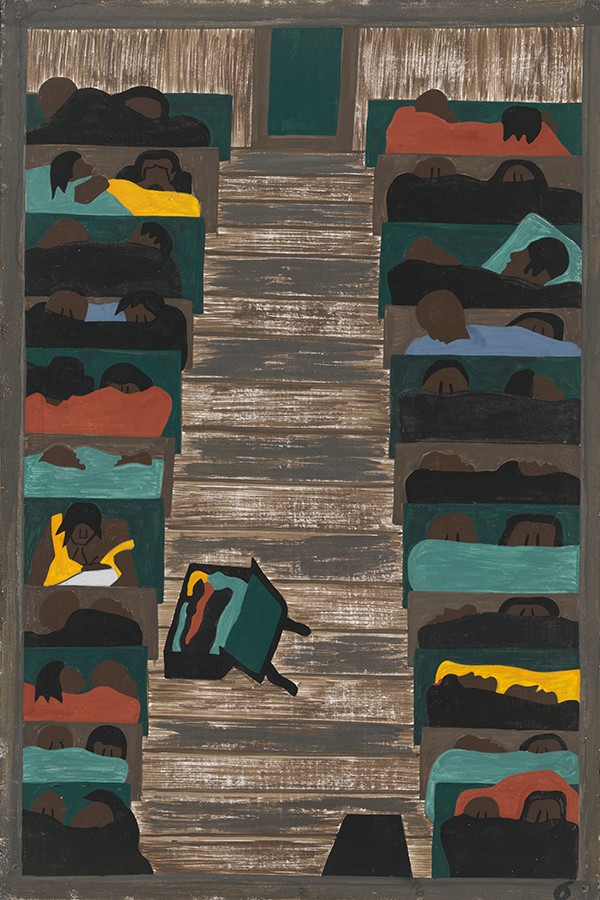
Panel 6: The Migration Series, Jacob Lawrence

RACIST TRANSPORTATION REGULATIONS of the early/mid-20th century South resulted in African-American travelers often being herded into cramped Jim Crow cars, mostly banned from moving about the train for the next few days. Standing-room-only was often the case, at least until the trains crossed into the North, where segregation was less prevalent, and some freedom of movement became available. Stories from my book, Alien Soil: Oral Histories of Great Migration Newark explains some of these geographical demarcations, wherein Black passengers were finally allowed to relocate into other more roomy train cars. During travel from the South to the East, that usually came somewhere around Washington, DC.

George Branch, longtime Newark city council member – born in 1928– recalled his family’s train trip from North Carolina to Newark when he was a child:

…My mother was able to save up the little money that we made, you know, on the farm. And my aunt, I think she contributed to it…The train was clean. The porters was very nice and courteous …Most all of them Black in those days… They help you with your luggage and your bag and getting on the train, you know…They had food available, but we packed our little food from down home. We packed it in a shoe box. We ate chicken, ham, biscuits, you know. And all that wrapped up in a shoe box…So, you know, you ate when you got ready. So you didn’t have to go order anything and pay for it…The trains was segregated in those days and times…The whites and the Blacks are not sitting together on the train at all. Called a Black section, you know. All Black folks. You know, we had all our boxes and bags piled up, you know, all over the place…

While Branch believed they had carried their food from home simply for convenience, there is a good chance that at the time of his trip there would have been little to no access to food on the train for the “colored” passengers. Many stories in my book speak of those shoebox meals, carried on trains, and transported by car along the journey. This practice was so engrained that for many even decades later, they still made sure to have something to eat with them, “just in case.”

Many of these segregation rules were fairly new, implemented by Southerners in order to staunch the exodus of African Americans and their cheap labor. All sorts of ordinances were enacted — against purchasing more than one ticket at a time, for example, stopping families from leaving all together. Or passengers would simply be turned away at the station, and pre-paid tickets refused. Sometimes the ticket agent just would not get to them in time to make their train, having served the white passengers first. Some Black travelers would then be provided the “opportunity” to pay extra for purchasing a ticket on the train. Yet other times migrants might even get “ratted out” by friends and family, hoping for some sort of leg up with the white people in power. Not to be discouraged, some African Americans would travel to a more distant train station, in the hopes of not being recognized or meeting up with law enforcement. All of this effort was made simply to gain access to an often difficult and sometimes dangerous trip.

Notably, even if the travelers did make it through this gauntlet to the station such that they were actually able to wait for their train, the segregated waiting rooms provided a preview of the accommodations to come. Often there would be waiting rooms for men, waiting rooms for women – and then waiting rooms for “Negroes.” This was typically the case on the trains, too. (See the story of Ida B. Wells being thrown out what some sources say was the “Ladies’ Car”). The station restrooms had the same delineations, such that when Black women wanted to use the facilities they would need to bring another woman with them, for privacy and even safety. This treatment could continue right on through to the physical boarding of the train as Black passengers were forced to hoist themselves and their luggage up onto the train without benefit of the same equipment offered the white passengers:

And as the Jim Crow car became entrenched, Black passengers lost access to the step. At small stations, according to W. E. B. Du Bois, southern railroads began to stop the Jim Crow car, which was invariably the first passenger car, “out beyond the covering in the rain or sun or dust,” and require Black passengers to climb on and off without even providing a step.

-W. E. B. Du Bois, “On Being Black,” New Republic, 21, no. 272, February 18, 1920

While we think of the back-of-the-bus rule applying to most segregated transportation, the front car on the train was often the one where Black migrants were relegated to. As DuBois notes, it was typically less shielded from the elements – including the soot and smoke emanating from the engine. Often wearing their best clothes, many migrants would finally arrive at their destination in a state of dishevelment. And so the vicious cycle continued, as established citizens looked upon these new migrants with disgust or trepidation.

So was the journey for many – and yet not all – African Americans leaving the South for better jobs and physical safety, among other things. Recall that not every migrant was the same; from economic class to geographical location, these journeys depended upon many factors. But the story told here, and those in my book, reflect a large part of the migration experience.

If these stories pique your interest, I highly recommend the book Traveling Black: A Story of Race and Resistance byMia Bay. And to learn more about the Great Migration from those with the lived experience, pick up my book full of oral histories. There are, of course, other sources as well, including PBS’ recent Great Migrations: Great Migrations on the Move. It includes the contributions of a number of historians, including two of my favorites, Davarian Baldwin and Brittney Cooper. And yet, as so many urban centers across the North and East, and even west, are referenced in this fine program, Newark is only spoken of twice (of course I counted): as a “hell,” and then with regard to the 1967 uprising. This, of course, supports my thesis that these stories need to be told, to be passed on, and to be integrated into the greater Great Migration historiography. Let it be so.

No Free Rides

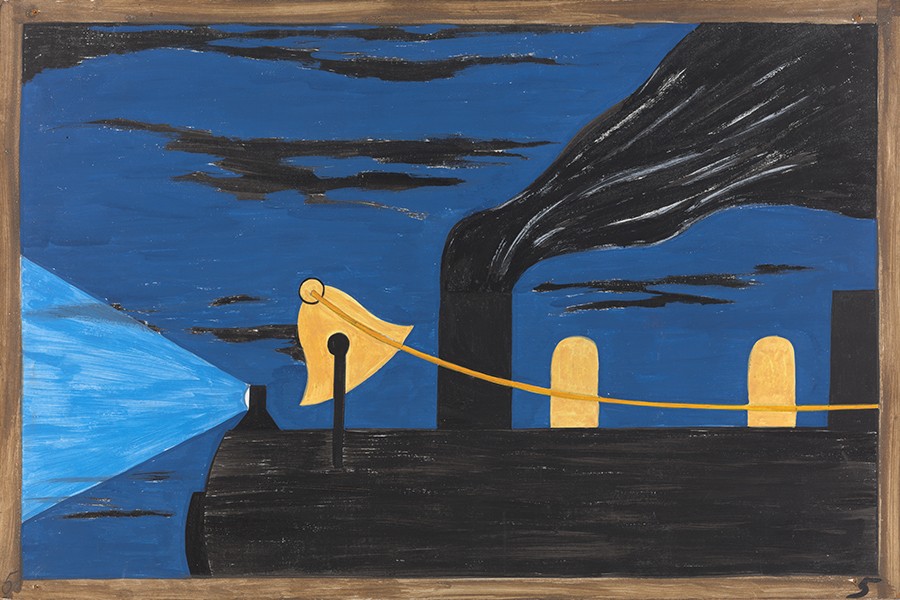
Panel 5: The Migration Series, Jacob Lawrence.

I DON’T KNOW WHAT TO DO…FIRST. Call and email my representatives demanding that they grow a spine and stand up to the madness in DC; prep for my African-American studies film class; cook dinner for one of my friends displaced by the fires; listen to the news; turn off the news; meditate; reach out to my trans friends letting them know I am with them… It all seems both futile and crucial at the same time. So today I’ll write my blog. Because Black history is what I do, and February is called Black History Month, and there is never a wrong time to share some Black history – especially in the midst of the madness that is our government right now.

“Migrants were advanced passage on the railroads, paid for by northern industry. Northern industry was to be repaid by the migrants out of their future wages.”

As Jacob Lawrence captions this painting, Southern migrants were sometimes advanced train fare by employers in the North as incentive to migrate to new jobs. Now, no one in the Krueger-Scott African American Oral History Project, upon which my book Alien Soil is based, mentions these advances specifically. Then again, there was no question asking the narrators how their travel was paid for. But when you read my book, you will get to meet all sorts of folks who, in one way or another, benefited from someone in the family taking that train out of the South.

That said, this was most certainly a practice. And it is a practice that some compare to sharecropping, wherein African Americans were also advanced something — often land, farming supplies, a house… Unfortunately, when it came time to repay these advances, Black Americans were often met with inflated numbers and unscrupulous fees. And because good ideas travel fast, this practice was also mirrored when new migrants were provided the chance to purchase staples “on credit” in Northern urban stores, only to receive excessive and/or inaccurate bills at the end of each month. And so it went. Throughout American history white people have offered all sorts of “advances” to African Americans and the working poor, from giving enslaved workers jobs in the master’s house, to today’s check cashing stores, and there has most always been a catch.

According to the Schomburg Center for Research in Black Culture, train fares cost about 2¢ per mile in 1915, doubling in price just three years later. That was a lot of money for someone living in the South, working for someone else and receiving minimal compensation. It is approximately 620 miles from Florence, South Carolina – where Madam Louise Scott was probably born – to Newark, New Jersey. So that train ticket would have cost around $12.40. How might that stack up alongside a sharecropper’s income? (Now of course, not all migrants from the South were sharecroppers, but it was one of the handful of occupations made available to African Americans post-emancipation, so it is a good general measure in terms of cost ratios).

The total income of sharecropper families in Laurens County, S. C., averaged for the year 1937 only $285, including $214 advances and sums owed at the ‘settlement’ date, and $71 cash paid on that date. In Florence County, S. C., the advances made by the landlord and owed by the sharecropper plus the cash settlement paid to the sharecropper was on the average $329.

“Farm Labor,” Monthly Labor Review, Vol. 51, No. 5 (NOVEMBER 1940), pp. 1151-1155

So if Madam Scott’s family were sharecroppers, hypothetically, one ticket to Newark would cost about 4% of their annual income. And most of that “income,” mind you, had already been spent or promised to the landowner. This is why, quite often, only one person from the family would head out initially, earn some money and then send it back for others to follow. Other migrants sometimes made the journey in stages, stopping off and working in places along the way to their final destination. Occasionally one of those stops ended up being the final destination. This “step migration,” as termed by the Schomburg, would take a long while. In one interview Jacob Lawrence himself recalled that his family was:

 …moving up the coast, as many families were during that migration…We moved up to various cities until we arrived – the last two cities I can remember before moving to New York were Easton, Pennsylvania, and Philadelphia.

The labor agents went down South with these offers of cash advances, but not without resistance from the Southerners. After all, they were stealing away cheap labor right out from under them. These agents met with many obstacles, thrown at them in myriad ways – from station agents simply denying the provided train passes to arresting the labor agents. Lest we think these Northern agents were somehow representing benevolent industrial entities, they too were in search of relatively inexpensive labor, offering carrots on sticks in the form of these cash advances. And, echoing the times of slavery, only the healthy and strong were typically made these offers.

In 1916, Newark held a famous industrial exposition, celebrating the 250th anniversary of its “settlement.” People from around the country attended, including the president of the United States, Woodrow Wilson. Newark’s industry was robust, to say the least. From famous breweries like Ballantine and Krueger, to factories that made spring shade rollers from wood and tin for cars and porches, to the Central Foundry’s cast iron pipes and fittings, the Industrial Revolution was an explosion of production. These companies needed people willing to go into their factories and work under often subpar conditions. There are wretched tales of these environments, including what it was like to work in one of Newark’s most famous industries, the leather tanneries. But folks were poor, and these jobs offered pay that most had never come close to in agricultural work, or other types of labor in the South available to African Americans.

And so they came. And they stayed. And their families came, too. And after a long hard while, they made themselves at home in cities around the country. Cities like Newark, Detroit, St. Louis, Pittsburgh, Cleveland and even Los Angeles are what they are in large part because of this Great Migration. And thus we just must keep on learning our history, despite the Herculean efforts of so many in political power right now. Because, for one thing, Black history is American history.

Not This Time

ColoradoBoulevard.net

ALTADENA. A TOWN THAT HAS BURNED, BUT NOT DISAPPEARED. So many of us, in our own ways, plan to make sure in fact that Altadena does not disappear, does not go the way of Seneca Village in New York City, for example, or Morrisonville, Louisiana. There are still edifices standing here and there among Altadena’s ravaged streets. These physical structures may or may not remain. But the town’s presence must.

What always remains is the history. Yet sometimes that history seems to disappear on us, as if it too was a physical structure, capable of ruin. Actually though, the only thing that happens to these certain histories unheard is the erasure by those of us who have committed to foregrounding this country’s story. Sometimes selective memory – and selective distribution – can take hold. As an oral historian working in African-American history, that is a painful thought indeed — as it is to so many who have been living their lives in Altadena. They know the unknown histories, the towns that have fallen off the historical map. Because they heard tell of these stories, from a family member, a special book, a found photograph that prodded the onlooker to ask yet more questions. Yes, some folks know just how easily a place can go from thriving community to never-heard-of-again. Especially Black folks.

“Historically Black. Emerging Latino. All community. That’s my town, and the Eaton Fire can’t kill its spirit.”

– Rafael Augustin, “What Didn’t Burn in Altadena,” Mother Jones Magazine

 So who is Altadena, you might ask, if you are unfamiliar with this incredibly special community. I won’t bother sharing my own personal relationships to it, as they are superficial compared to so very many others’. It is my hope to foreground those others’ stories soon. For now, I’ll provide a brief history to give context for the media reports you may or may not still be receiving if you are outside of Los Angeles. The news cycle turns quickly and without any more raging flames for the reporters to stand in front of, some have already moved on in search of the next crisis to cover.

Once upon a time, just after California received its statehood in 1850, Benjamin Eaton – after whom Eaton Canyon, the epicenter of this recent fire, was named — began developing water systems for owners of the 14,000 acre San Pasqual Rancho. This area eventually became Pasadena, South Pasadena, Altadena, and other adjacent communities. Even as the Great Migration, much like in Newark, New Jersey — and other cities around the country — changed the racial makeup of Los Angeles neighborhoods, there was still much resistance to that change. When African Americans did make it into Altadena, it tended to be on the west side of Lake Avenue. That bifurcation has yet to be fully dissolved.

Fast-forward to mid-century and Altadena is reportedly 96% white. The politically active era of the late 1960s and 70s changed that demographic somewhat, as did the phenomenon some still call “white flight.” This term is more complicated than those two words and deserves much more time than I will take here. The book, Popular Culture in the Age of White Flight  might be helpful in that it concerns itself with the  “rise of a new suburban consciousness in Southern California” – and is one of only a few books covering the west coast version of this shifting demographic trend.

This predominance of whiteness in communities was, of course, quite purposeful. Redlining (realtors sectioning off certain parts of a city from Black – and other “unwanted” – home buyers; plus, restrictive covenants which essentially had homeowners promising they would not sell their homes to Black people, were some of the effective measures in keeping things just as they had always been. A great book with a more granular look at these movements of whites (and others) from city to suburb, is Becky Nicolaides’ The New Suburbia.

There are so very many stories in Altadena, so many lives lived. But because of what has happened with a multitude of towns boasting a robust Black population, many of us are afraid that Altadena’s stories and lives might be forgotten due to this Eaton Fire that devastated miles of homes and businesses owned by African Americans in the community. You see, from Oscarville, Georgia where in 1912 a white mob threatened and perpetrated violence such that many Blacks fled – or were murdered; to 1921Tulsa, Oklahoma where the Black population was obliterated by fire from another white angry mob; to so many other Black towns destroyed by natural disasters, it is typically more difficult for these populations to rebuild, to replace that which they once owned. This has to do, most generally, with the deep systemic racism of our economy dating back to times of slavery.

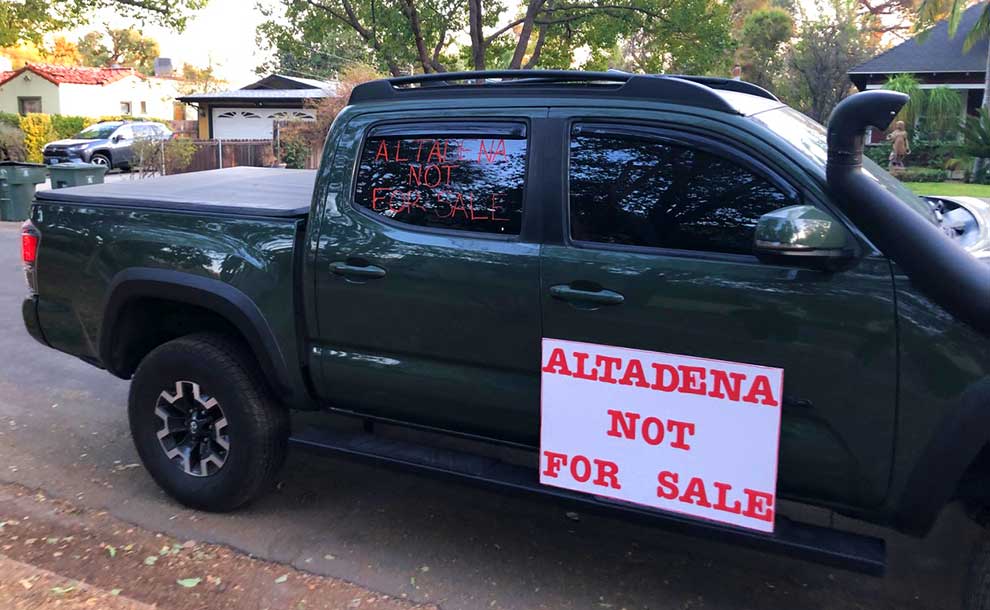
So what to do? Well, folks from all over are answering that question with aplomb. People with financial knowledge are contributing their time to inform and support Black residents who want to try to stay in Altadena. “Altadena not for sale,” reads signs, t-shirts, and Instagram posts everywhere one looks these days. (Because the vultures are swooping in quickly). Then there are the contractors, volunteering their expertise as well, advising on how to rebuild safely, perhaps even more resiliently.

Me? Well, I keep working at my Pasadena food pantry, Friends In Deed which has served, and will continue to serve, so many in and around this area. But I am also hoping to initiate an oral history project in order to ensure that the people and their history remain front and center as this historically Black community resets. Because in the end we don’t really know what that reset is going to look like. But, if one glances back at similar moments in American history, there sure seems a strong possibility that things will not look the same as they once did when it comes to the racial – and economic – makeup of Altadena. So I am in the process of gathering other oral historians, and contacting stakeholders of this community. And when the time is right, we will aid in the town’s preservation efforts in our own little way.

As I write in my book based on the Krueger-Scott African-American Oral History Project, Alien Soil:

Fires are often featured in the oral folklore of a community, memories of disaster handed down through generations. [Veteran oral historian] Alessandro Portelli explains, “…oral narrators have within their culture certain aids to memory. Many stories are told over and over, or discussed with members of the community; formalized narrative, even meter, may help preserve a textual version of an event.” In the case of fires, this mode of memory preservation seems important as there is little in the way of recorded history when it comes to the many fires discussed by the Krueger-Scott interviewees.

And so it seems important to employ some memory preservation so that the history of beloved Altadena does not become yet another erased story in African-American history.

The Most Wonderful Time?

CHRISTMAS IN NEWARK’S GREAT MIGRATION ERA could, of course, be merry and bright just like anywhere else. Military Park, downtown, for years had a huge, decorated tree, replete with a life-size nativity scene. And the famous Public Service building was lit up dramatically each year.

But Christmas also could have a more somber side. For example, not everyone had access to jobs that paid well enough to buy those presents and prepare those meals that are seen by many as requisite to the holiday’s celebrations. In fact, when one views the photographs that show up when searching Newark at Christmastime early-to-mid-20th century, not many African-Americans appear at all. It was really not until the 1960s that they are seen regularly included in seasonal newspaper images and promotional materials. Segregation and discrimination was not taking a holiday break.

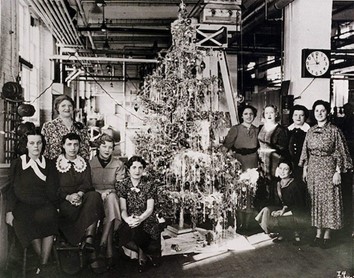
Star-Ledger archive photo; Employees of Westinghouse in Newark posed for a photo during their Christmas party in 1936. 

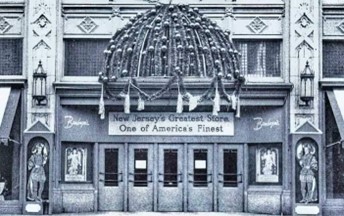
Katheryn Bethea, who at sixty-years-old finally completed the college degree she had started back in the 1950s, ultimately retired as a professor of English literature. Like so many of the Krueger-Scott narrators, she often had a rough hill to climb just to get some work to pay the bills. Mrs. Bethea recalls in her interview one Christmas season, in 1942, when she sought to supplement her income by working at the famous Bamberger’s department store. She did get work, but was hired as a “floor girl,” carrying up clothing from the basement to the various departments. This was one of the more low-paying jobs at the store. Now, because of her diligence as an employee, Bethea was actually asked to stay on after the holiday season. She agreed to do so, but only if she could work as a salesclerk instead of carting around stock all day. She said:

They weren’t hiring any Black women – girls…to be clerks. We could go down there and lug all that stuff…

The position of salesperson was not available to women who looked like Bethea. Her manager told her that while she was personally ready for an African American “on the floor” that Bamberger’s was not quite there yet. Bethea declined the store’s offer of continued employment.

Another issue that might put a damper on Christmas came from living in poor housing conditions. For many Black Newarkers some traditional rites of the holiday turned out to be dangerous pursuits. Retired musician James “Chops” Jones remembered:

Oh Christmas. Oh, let me tell you about Christmas. Christmas we used to have real Christmas trees. It used to have candles on them. And we used to light the candles on the tree… But on the branches we had little dishes, you’d put the candle in like the birthday candle, you put the candles in and you light ‘em.

Owen Wilkerson, one-time city clerk, remembered this tradition as well – and how, when he was growing up, fires were commonplace because of it.

And, you know, for some strange reason, and I guess it was attributed to the Christmas decorations and the trees. I mean, everybody had a tree at Christmas. But fires would always- You would always have an excess amount of fires around the Christmas holidays.

In my book, Alien Soil: Oral Histories of Great Migration Newark, there is a whole chapter dealing with fires and the precarity of living in subpar housing. Disasters due to poor infrastructure took no holidays either.

For the majority of people interviewed for this oral history collection, the Christmas holidays were a time to do what you could with what you had; a time to be with family, share food, and exchange gifts if one could afford to do so. For a long while Black Newarkers were not celebrating the winter holidays in the same ways—or in the same spaces — as white Newarkers. There were, however, always exceptions; that’s what oral histories are so good at reminding us of.

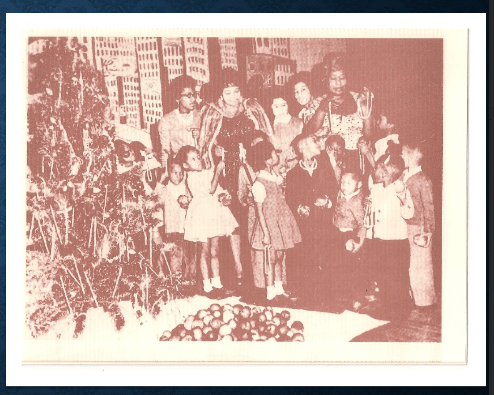
Madam Louise Scott, philanthropist and beauty culture millionaire, would throw lavish parties in Newark every year at Christmas. She took this time to provide fun — and gifts — to so many African-American children who otherwise might not have received a whole lot of either. Below is a promotional postcard made by some of the people trying to have her mansion turned into a Black Cultural Center after her passing in the 1990s. As you can read in chapter one of my book, that project’s story in and of itself is quite a dramatic one.

Krueger-Scott Mansion Cultural Center Christmas card circa 1990s

Today, many of us are attuned to the fact that our Christmas season may not look like others’. It’s often a time when those with excess resources give of their time or money to good causes for others less fortunate. And yet, perhaps in part due to a lack of exposure to history, there are those who cannot comprehend the trials of trying to keep up with the consumerism and lavish events surrounding this holiday season. For them, I present this little slice of life, an opportunity to keep learning our history.

And for all of us, let us never forget that some have much less than others. And if we are the ones with the least, let us remember that we are not alone.

Happier New Year to all.

The Labor of Working

All other sources of labor having been exhausted, the migrants were the last resource.” This is how artist Jacob Lawrence captions his fourth panel in the Migration Series, a collection of 60 paintings telling the story of the Great Migration. He is referring to war-time work in this country, a time when factories were churning out weapons of war and were so desperate for labor that they even let Black people – and women — work for them. (Inject sarcastic tone).

See, one reason these jobs became open was that some immigrants were going home to fight in their own country’s army. At the same time, scores of American men were going off to war. So with this ensuing labor shortage, African Americans and women in general finally were enjoying access to some well-paying factory jobs.

A 1941 Works Projects Administration (WPA) report noted that, prior to 1917, approximately 75% of African Americans in the country were “gainfully employed, mostly in domestic and ‘personal service’ jobs.” (Not sure I would have used the term gainfully). At any rate, as would happen again post-World War II, after World War I white soldiers were returning home and to work, such that suddenly the recently hired were deemed no longer competent or capable enough to remain in their positions. Last-hired, first-fired was in full force.

Krueger-Scott narrator Katheryn Bethea, who ultimately retired as an English literature professor at Rutgers University-Newark explained:

When I got out of high school in 1940 there were really no jobs for young Black women except takin’ care of babies.

Eventually Bethea landed a job in a war plant making “inflatable mechanisms” for life rafts. She added:

When the war was over of course that job ceased.

Those who were able to hold on to their positions had a chance to create wealth. And when historians say wealth, it’s not as in wealthy, necessarily. But it’s about actually having money left over at the end of the month, an ability to save up, to ultimately pass something down to children, family, whomever. The fact that African Americans have had so much less access to well-paying, secure employment is in large part why we have the wealth gap we do today. In 2022, white families had an average wealth of $1.4 million, while Black families had an average wealth of $211,596.

Louise Epperson, one of the Krueger-Scott interviewees, landed one of these relatively lucrative jobs at the Western Electric factory and was ultimately able to purchase her own home a few years later. She made it clear in her interview that this was an accomplishment and point of pride.

Willie Bradwell started working as a domestic worker around eighteen years of age. But she was excited when she found factory work, which she liked much better. She started out at a paper-cup factory in North Newark at 55 cents an hour, minimum wage at the time. After a few months she secured an even better factory job, with H.A. Wilson at 97 Chestnut Street, sometime around 1946. Bradwell noted:

…they didn’t even hire Black people ‘til after the War. So when we went in there after the War, it wasn’t too much of a problem.

So apparently this factory was not even hiring African Americans during WWII, which implies that there may well have been other businesses willing to suffer through drastic labor shortages simply in order to retain the racial status quo.

Pearl Beatty told her interviewer how she was looking for work to support her family:

Well, my first job was in a factory two blocks from here. From the beginning we lived on Baldwin and Washington Streets. And one day I was walking down the street and I saw this sign, “employment needed.” And I went in and applied. I was sixteen. And they hired me. And I was thrilled because my job was just two blocks from home. We’re talking about, let’s see now, we’re talking about ’52. 

Beatty worked at that factory job for eight years. During her interview, Beatty — who is biracial — shared a story about race in the workplace:

In fact, when I walked in [to the factory job], the white girls thought I was, uh, white. And this one white woman said to me, “I want you to know that the Black girls that work here are very clean.” And at my lunchtime I went over to the Black girls and introduced myself. And when I came back to my bench to work – the white lady said to me, “Now, just because I said that the Blacks were clean here, that didn’t mean that you have to go over there and eat with them.” And I politely let her know that I was Black… Now the Black women, they knew I was Black.

In my book, Alien Soil: Oral Histories of Great Migration Newark most of the factory stories come from the women. (Get the book and you’ll be able to read about so many fabulous women who few too many people know about). This predominance of women in factory work may be because Black men were still able to secure higher paying jobs than the women — and even a better education at times. These jobs may also have been fresher in the minds of the women, because for many it was their first and last job before getting married and staying home to raise children.

Notably, not everybody was satisfied with a factory job. This is one of the many benefits of oral histories, the reminder that not all members of a particular group do things the same way or want the same things. When it came to these sorts of jobs, people knew there was only so far one could go. Elma Bateman tells a story about how she asked her high school counselor for permission to register for a “commercial” course that taught typing and stenography, instead of one of the “basic” courses to which Black students were typically steered.

The counselor wanted to know why, when Black people aren’t hired as secretaries… [But] all you could do when you came out [of the basic courses] was work in a factory.

Bateman signed up for the commercial course without permission, and retired as an administrator for AT&T. The theme of persistence is rampant in these oral histories. As usual, these African Americans had to push their way into work, even as some employers were desperate for workers. Once employed, they contended quite often with racism and sexism, and certainly job insecurity. This is not a grossly different tale than that told today around the Black American work experience. I recently published an article laying out how oral histories show us that the narratives of 1950 can be eerily similar to those of 2024. This, I’m afraid is American history and America’s present. So let’s keep on learning our history, in part so we can understand just how we are perpetuating it today.

Memory and Fire

NBC News

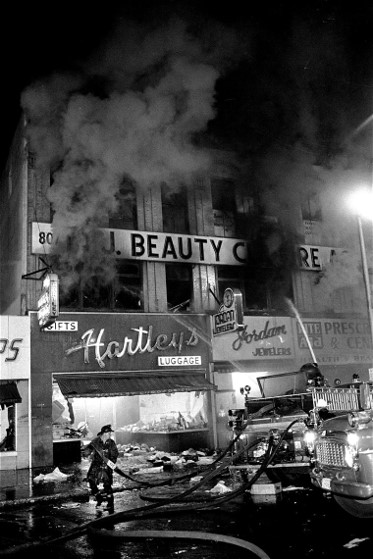
FIRE GETS SEARED INTO PEOPLE’S MINDS. The vision of fire, the smell, the heat… And even just the stories that include fire can often make deep inroads into the imagination. So much so, in fact, that some people even remember fires where there were none.

This is the case around the narratives of urban rebellion quite often. It is even a way, at times, for the media and other self-nominated reporters, to illustrate just how dangerous the city streets are for the average person. After all, our country has had a dysfunctional relationship with its cities since their inception, the issues typically centering around race and class. So if tales of burning buildings and flaming cars can get some people’s attention – and perhaps confirm the lack of civilization in these urban spaces – then why not light the narratives with fire, some think.

Another reason fiery images and tales are so effective is because a lot of city folk – especially poor and working class – have had to contend with fire on a personal basis. They know its all-consuming behavior and would prefer to never have to negotiate with it again. That was the experience of many of the Krueger-Scott African-American Oral History Project narrators who appear in my book, Alien Soil: Oral Histories of Great Migration Newark.

Coyt Jones was a postal worker in Newark, New Jersey – and the father of Amiri Baraka. He had arrived by train from Hartsville, South Carolina in 1927, at the age of 11. By himself. He was told to take a taxi from Newark’s Pennsylvania Station to a relative’s house when he got there. When asked in the interview about his trip north, he answered:

Jones: I don’t remember. There’s only one thing I can remember about that ride was the amount of people that crossed the street at Broad and Market. I had never seen that many people before.

Blount (interviewer): Were they African Americans or were they –

Jones: They were all people, mostly white I think. This was years ago, remember? I asked the taxi driver if there was a fire someplace. Where was all the people going!?

Jones apparently had also told his interviewer Mrs. Blount, when the tape recorder was off, that there was something he wanted to share on tape, a “significant incident.” Towards the end of the interview Mrs. Blount invited Jones to “go ahead” with the story. The incident in question concerned a fire Jones witnessed sometime around 1920, back in South Carolina. Jones and his family lived three houses down from the “Oil Mill Houses.”  These were small company homes for the employees of the Hartsville Oil Mill which produced cottonseed oil. Jones recalled hearing that the rent was $2.00 to $3.00 per month.

One night an Oil Mill House caught fire, and ultimately the whole row of homes burned down. “The only thing standing in those houses was a chimney,” said Jones. His mother warned him not to go down to the site that night, but the young boy snuck out anyway:

I must have been about four or five years old. I don’t remember. Anyway, a lady got burned up in one of the houses, and she was still holding the baby to her bosom when she burned. She was layin’ on those springs and the bed and everything and the mattress was all burned up. I’ll never forget that. Never forget it. That’s one of the worse things I guess I’ve ever seen.

One might imagine that when the 1967 uprising began in Newark, and he was seeing flames – or being told that there were flames — that Mr. Jones may have been transported back to his childhood memory of his five-year-old self standing in front of the burned remains of a young mother.

Because of the efficacy of fire as a memory holder – and shaker – some of the conversations in the oral histories went from fire as the subject to fire as the fuel for further storytelling.

Glen Marie Brickus, one of the peer interviewers in the oral history collection, was born in Minden, Louisiana. Her father was a bricklayer there. Senator Wynona Lipman grew up in La Grange, Georgia and it turned out her father had been a bricklayer, too. She remembered her childhood with affection. “It was wonderful. We had a cow until the town made us get rid of it.”

She and Mrs. Brickus had a spirited exchange as they began comparing notes on growing up in the south. It all started when Mrs. Brickus asked a question about old folks using snuff:

Lipman: Oh, the snuff, yes. Snuff, the lady who helped us do the washing, at the wash pot outside, you know, where you boiled your clothes for washing over a fire. Oh, she was a snuff dipper I tell you. And my father chewed tobacco. Yes.

Brickus: Oh yeah. Yeah, we had one of those wash pots in the backyard. And somebody had to go and build a fire on the wash day.

Lipman: I remember killing pigs, too. And making crackling.

Brickus: Oh really? Yeah, we did too, we did too.

Lipman: We had chickens, and all of that.

Brickus: We did too. We raised chickens and guineas and there was, you know, you’d wait for special kinds of days as far as the weather to kill hogs. And then you may kill three or four or more at a time. And I can remember seeing them strung up. You know, they’d put up these special poles, with the poles across the top and hang them up there.

Lipman: We had a smoke house.

Brickus: We did too. They would first salt the meat down for so long, and then take it out and hang it up and smoke it. Keep the fire going day and night to smoke the meat. And it would never spoil.

Lipman. No.

Brickus: You could keep it indefinitely and it would never spoil.

The beauty of oral history is that it helps us learn things sometimes that we didn’t know we didn’t know. Even a peer such as Mrs. Brickus might not have gotten to the point of asking Lipman what farm life looked like for her in the south. But fire did. And if you want to read more histories like this, well, then you can always order my book!

In the last chapter of Alien Soil I echo many of the oral histories in explaining the ways in which fire can be weaponized. There are numerous examples of how it has been used to misrepresent people and places, both in the past and more recently. But other times fire is simply a portal, burning its way into recessed memories wherein we might even learn that an East Coast state Senator spent her childhood in the South on a farm killing pigs.

This is American history; please, let’s keep learning our history. It’s a radical act of resistance these days.